This reviewed version was published on October 16, 2026. The manuscript’s original publication date is unknown.
Hot honey gives bread sweetness and chili heat, whether a recipe mixes it into the dough or uses it as a finish. Sourdough, focaccia and cornbread offer different ways to try it.
Start with a recipe written for honey. The four recipes below come from their named publishers; read each author’s complete instructions before choosing one.
Choose hot honey for the loaf
Choose the heat level you enjoy and check the recipe’s ingredients. Mike’s Hot Honey Original contains honey, chili peppers and vinegar. Savannah Bee Company Hot Honey uses wildflower honey and habanero.
As an Amazon Associate we earn from qualifying purchases.
- Check Mike’s Hot Honey Original, one 12 oz squeeze bottle, on Amazon (paid link).
- Check Savannah Bee Company Hot Honey, 12 oz squeeze bottle, on Amazon (paid link).
These are separate shopping options. Follow each recipe’s ingredient and substitution guidance.
Ingredients and tools
A sourdough loaf, focaccia and cornbread call for different ingredients and equipment. Read the chosen recipe before setting out your bowls and pans.
- Use the flour, cornmeal and leavening specified. A sourdough recipe may require an active starter; another bread may use commercial yeast or a different leavener.
- Measure the recipe’s honey, liquid and fat before adding cheese, herbs or other ingredients.
- Use a bowl with room for the dough to expand and the pan or baking surface the recipe calls for.
- A proofing basket can help support a shaped sourdough loaf. It is not needed for every bread.
- A pastry brush is useful for a finishing glaze. If you use a thermometer, follow the particular recipe’s doneness guidance.
- A bread machine is optional. Use a recipe and cycle suited to that machine.
 Illustrative photograph unavailable.
Four bread recipes
Hot Honey Sourdough Bread Recipe
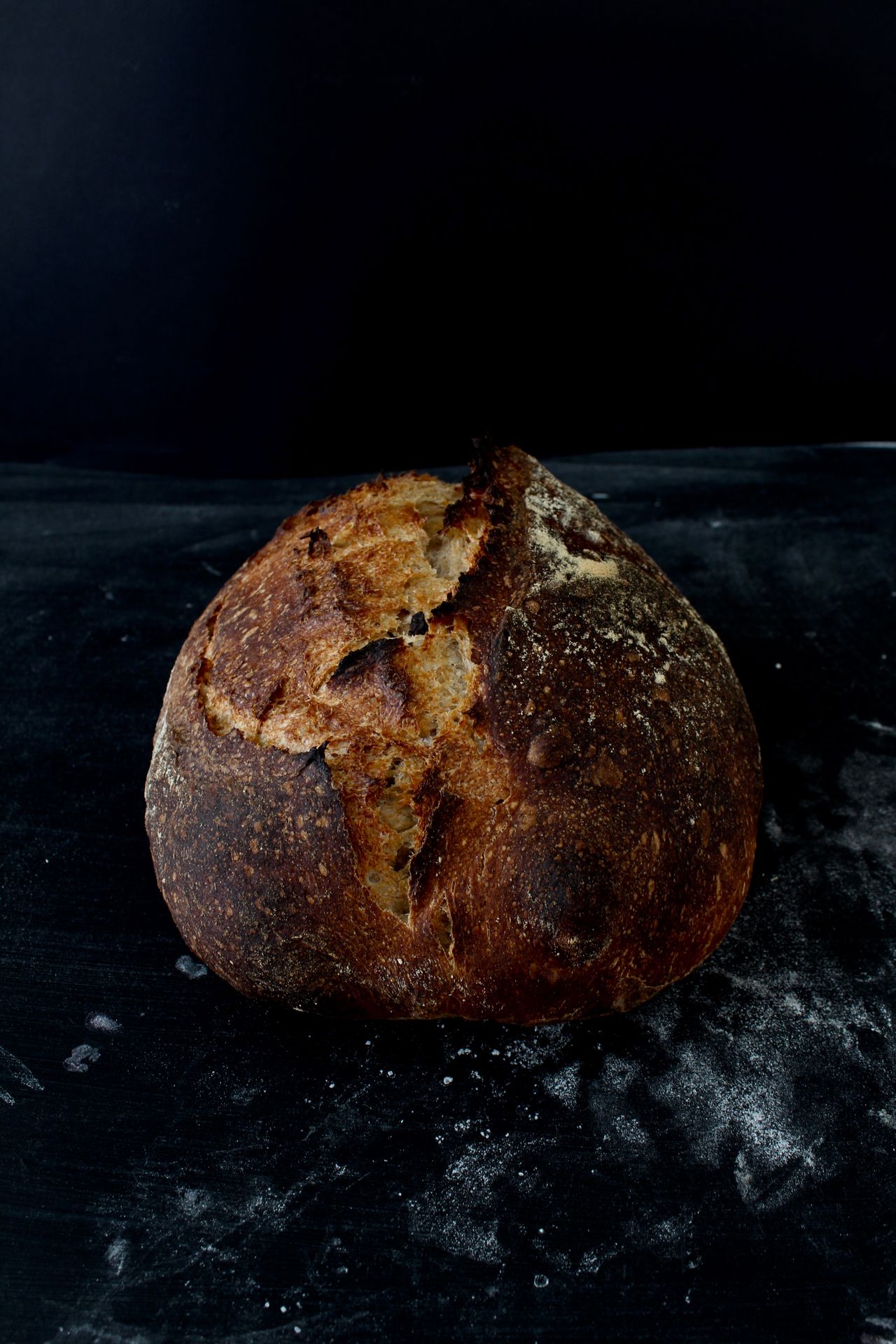
Kate Freebairn’s recipe at The Pantry Mama mixes hot honey into a naturally leavened loaf. It calls for an active sourdough starter. Read the author’s dough and baking directions, including her advice about the base browning too quickly.
 Illustrative photograph unavailable.
Hot Honey Parmesan & Asiago Sourdough Bread
Emily Christensen’s recipe at Country Roads Sourdough combines hot honey with Parmesan and Asiago. Read the complete method and the ingredient list. For cheese dough and finished cheese bread, use appropriate food-safety guidance; fermentation and baking do not by themselves establish safe room-temperature handling or storage.
Hot Honey Focaccia
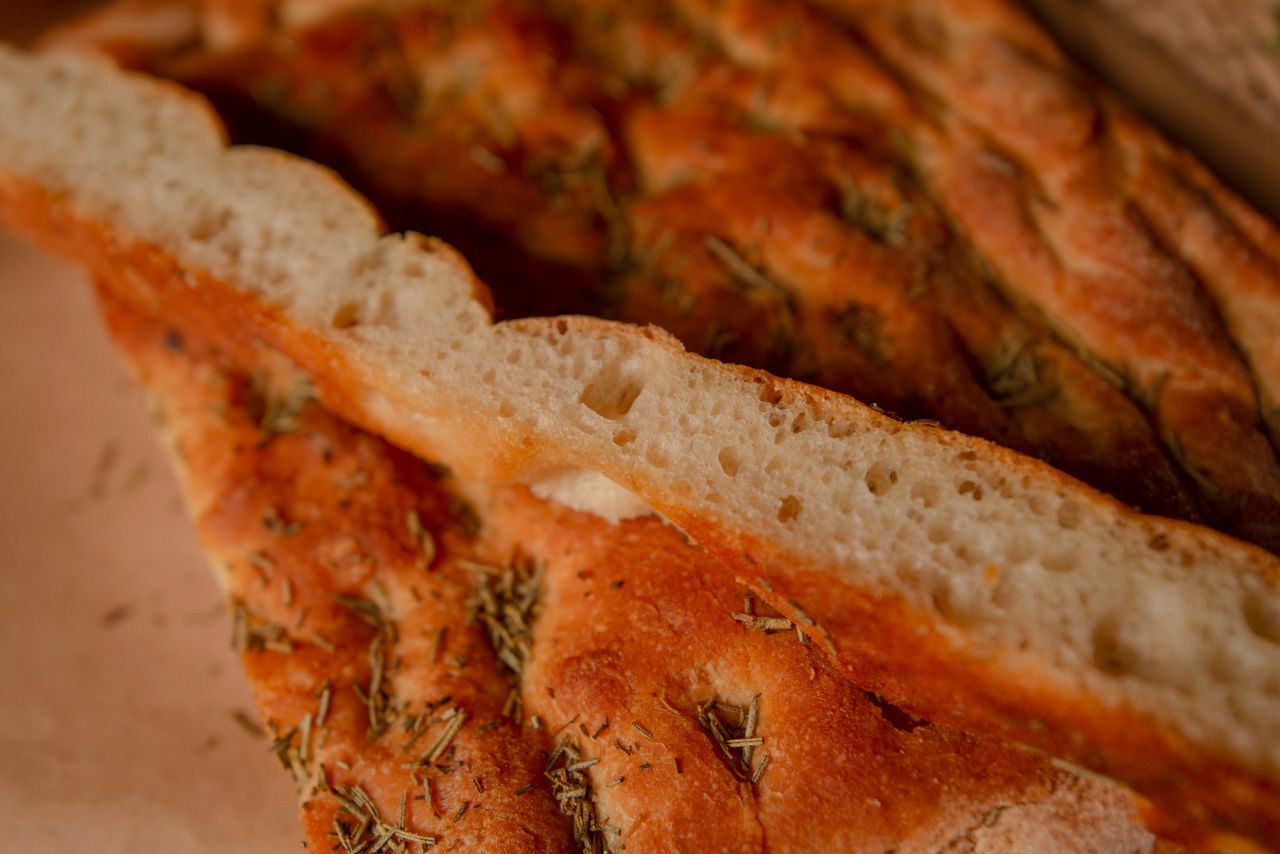
Aga Bodes’ recipe published by Drizzle uses Hot Drizzle Honey in the dough and after baking, with garlic and rosemary oil. The named honey is part of that recipe; the two shopping links above are not a claim of a tested substitution.
Hot Honey Southern Cornbread
Shanika Graham-White’s recipe at Orchids + Sweet Tea adds hot honey to a cornmeal-and-flour batter. Check the complete ingredient list for eggs, dairy and other allergens. Use the author’s stated adaptations if you need a different version; the default recipe is not automatically gluten-free or vegan.
 Illustrative photograph unavailable.
Use the recipe’s dough proportions
Honey changes more than sweetness. King Arthur Baking’s guide to liquid sweeteners explains that honey affects moisture and browning. Follow a recipe formulated for it rather than assuming that a dry-sugar substitution needs no other adjustment.
Adding more honey is not a reliable way to improve a loaf’s rise. King Arthur’s sourdough FAQ explains that added sweetener is not required simply to feed the yeast. Keep the recipe’s balance and adjust chili heat through the honey you choose.
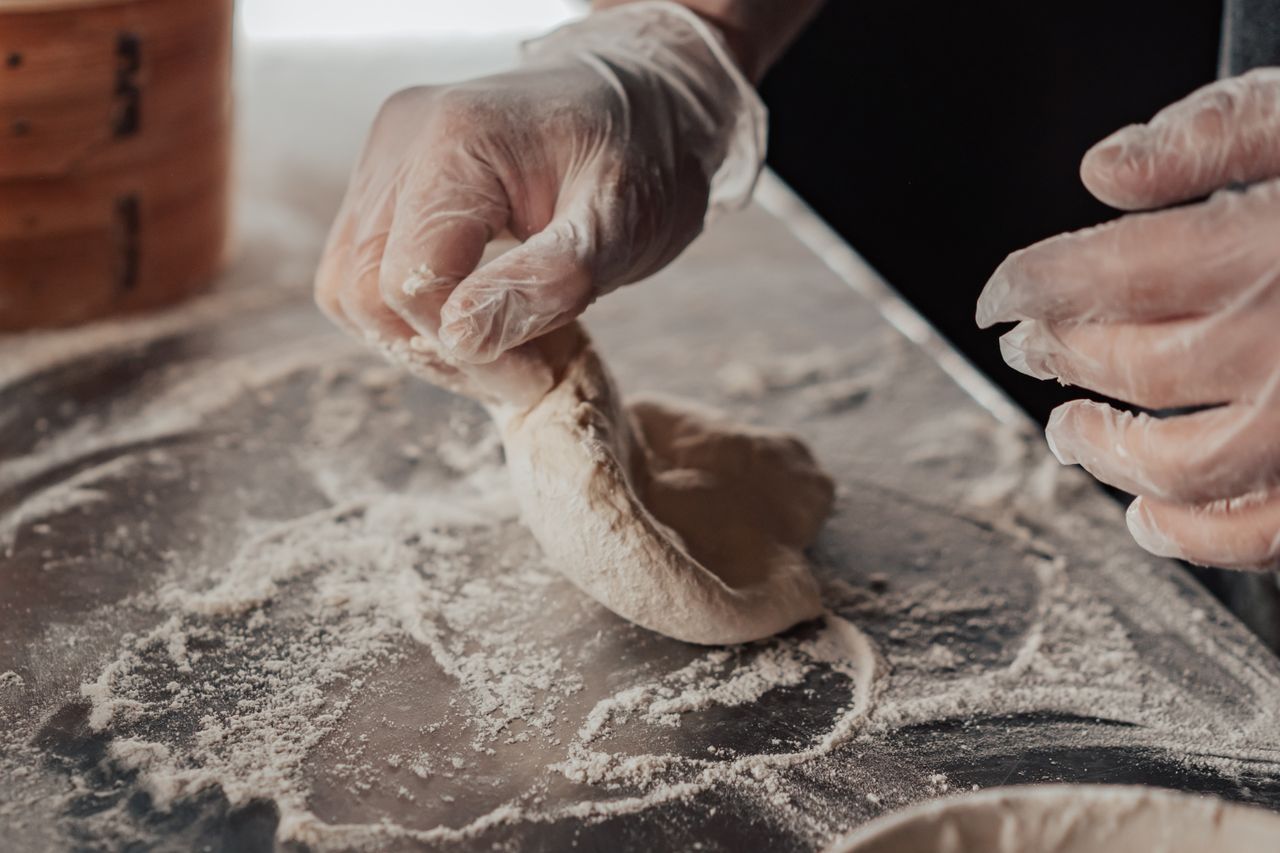 Illustrative photograph unavailable.
Glaze and serve
A finishing drizzle lets you try hot honey without changing the dough. Brush or drizzle it onto a warm slice, then taste before adding more. A glaze applied after baking has not automatically caramelized.
For serving, try bread with brie, blue cheese or goat cheese, or alongside soup, stew or roasted meat. Flaky salt, chili flakes or herbs can add another flavor or texture if they suit the bread.
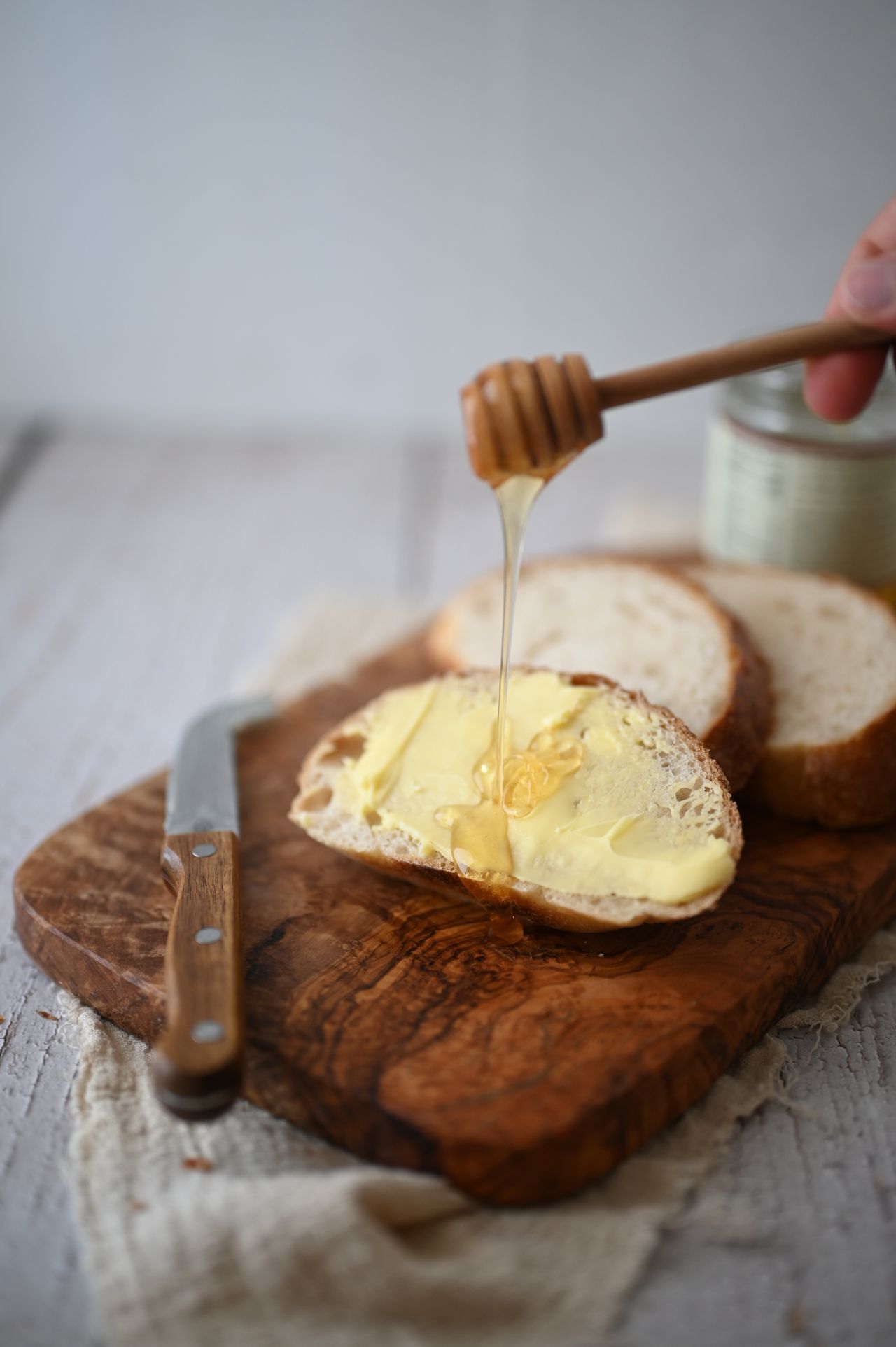 Illustrative photograph unavailable.
Handle and store the ingredients safely
The FDA warns against tasting raw flour, dough or batter. Follow the recipe’s baking directions before tasting, and clean hands and surfaces after handling raw ingredients.
Do not assume cheese bread is shelf stable because it has been baked. University of Minnesota Extension’s cheese-baking guidance explains why changing a recipe can change the finished food’s storage requirements. Use a method with supported handling and storage instructions.
A commercial honey label does not establish the storage life of a homemade infusion. Fresh garlic, herbs or peppers change the mixture. For homemade garlic or herb oils, the CDC advises refrigeration and disposal after four days. That advice does not validate a garlic-and-honey recipe or room-temperature storage.
Do not serve honey or foods made with honey to infants younger than 12 months, as the CDC’s infant-botulism guidance explains.
Try another baking idea
For cakes and other sweets, read Hot Honey in Baking: Sweet and Spicy Dessert Ideas.