This reviewed version was published October 16, 2026. The manuscript receipt date and any earlier publication date are unknown.
Our shop and buying guides contain paid Amazon links. As an Amazon Associate I earn from qualifying purchases.
Before chili peppers enter the picture, hot honey starts with the work of honeybees. Bees collect nectar, change its sugars and remove water to make a food reserve for their colony.
The honey in your bottle contributes its own flavor alongside the heat. Its floral source helps explain why two hot honey blends can taste different.
The bees behind the honey
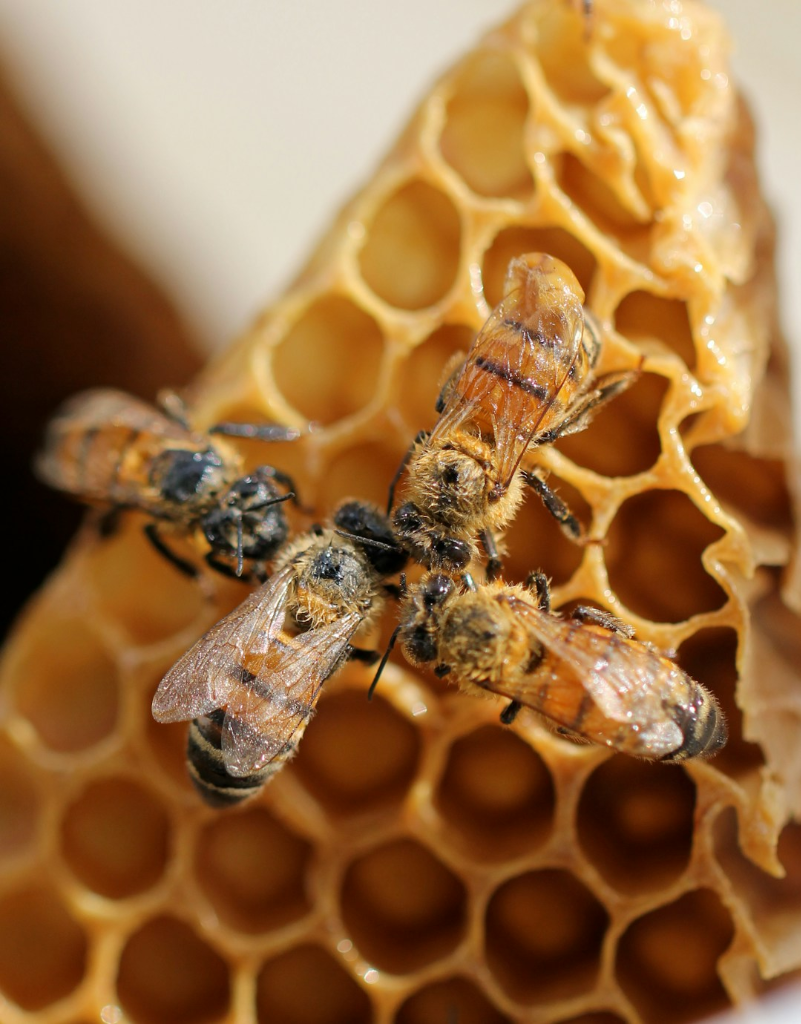
A honeybee colony includes a queen, female workers and male drones. The queen lays eggs, while workers handle jobs that include caring for young bees, maintaining the hive and collecting food. Older workers become foragers, gathering nectar and pollen. Drones mate with queens.
Penn State’s honeybee overview explains the colony’s division of work.
From nectar to honey
1. Collecting nectar
Editorial photograph unavailable.
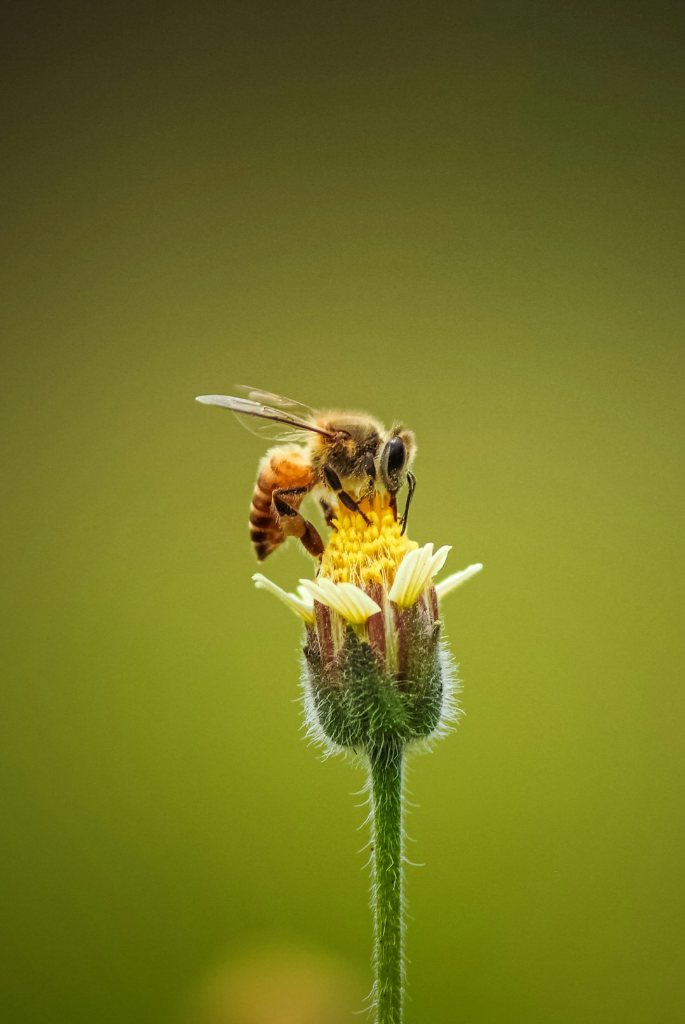
Foragers visit flowers and collect nectar, carrying it in their crop, sometimes called a honey stomach. Nectar supplies sugars and water; its composition varies with the plants.
2. Working inside the hive
Back at the hive, bees pass nectar to other workers and add enzymes. Those enzymes help change its sugars. Honey ultimately contains mostly fructose and glucose, with smaller amounts of other components.
The USDA Agricultural Research Service’s honey summary describes both the removal of water and the enzymes involved in ripening nectar.
3. Removing water
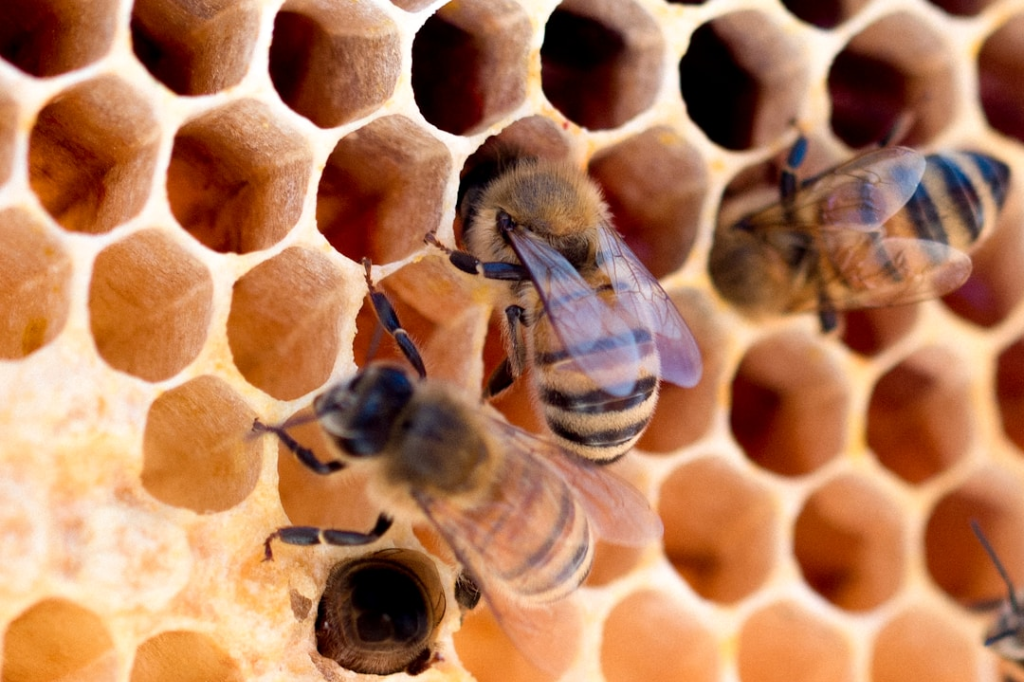
Workers place nectar in honeycomb cells and move air with their wings to help water evaporate. As it loses water, the nectar thickens into honey. The USDA’s honeybee atlas describes a honey moisture content of roughly 15 to 20 percent.
Low moisture is part of why honey stores well. It does not make honey sterile, or prove that a mixture with fresh peppers, garlic or other wet ingredients can stay safely in a pantry.
4. Capping the cells
Editorial photograph unavailable.
When honey is ready for storage, workers cap the cells with beeswax. The colony can use those reserves when food is harder to find.
5. Harvesting
For extracted honey, beekeepers remove the wax caps and use equipment to separate honey from the comb. Beginning With Bees, hosted by the USDA Agricultural Research Service, describes removing the caps and extracting honey. Honey can also be sold in the comb. Utah State University explains creamed honey, which is made through controlled crystallization.
Ask about the beekeeper’s practices
Editorial photograph unavailable.
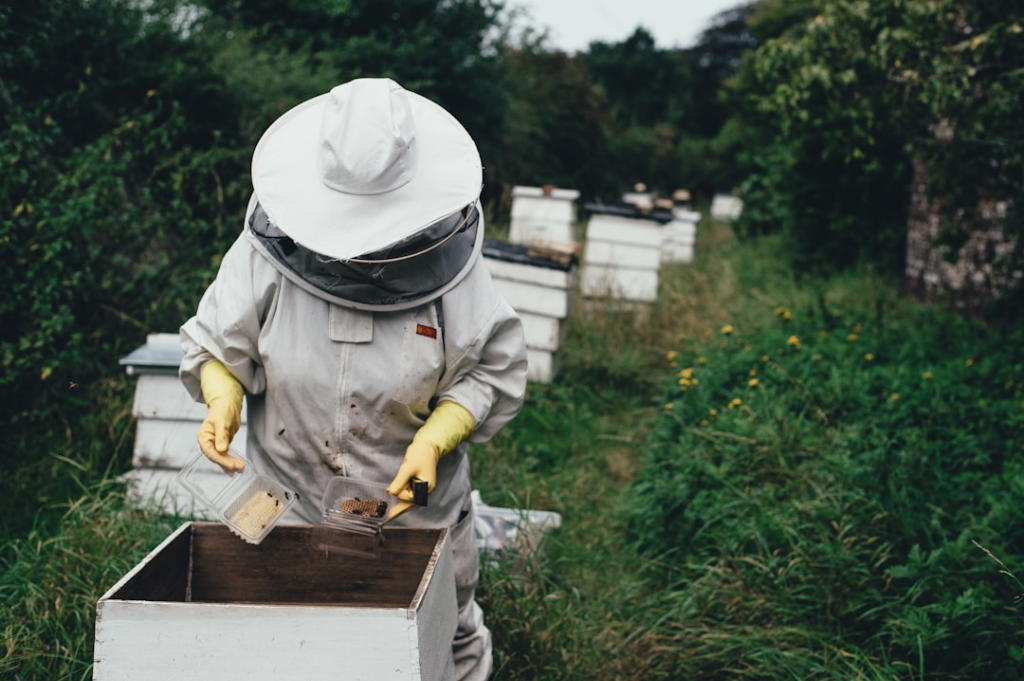
“Ethical” or “sustainable” on a label is a starting point for questions. Ask a producer where the bees forage, how colony health is monitored and how food reserves are maintained. A useful conversation will give you more detail than a broad promise on a jar.
Why the floral source matters
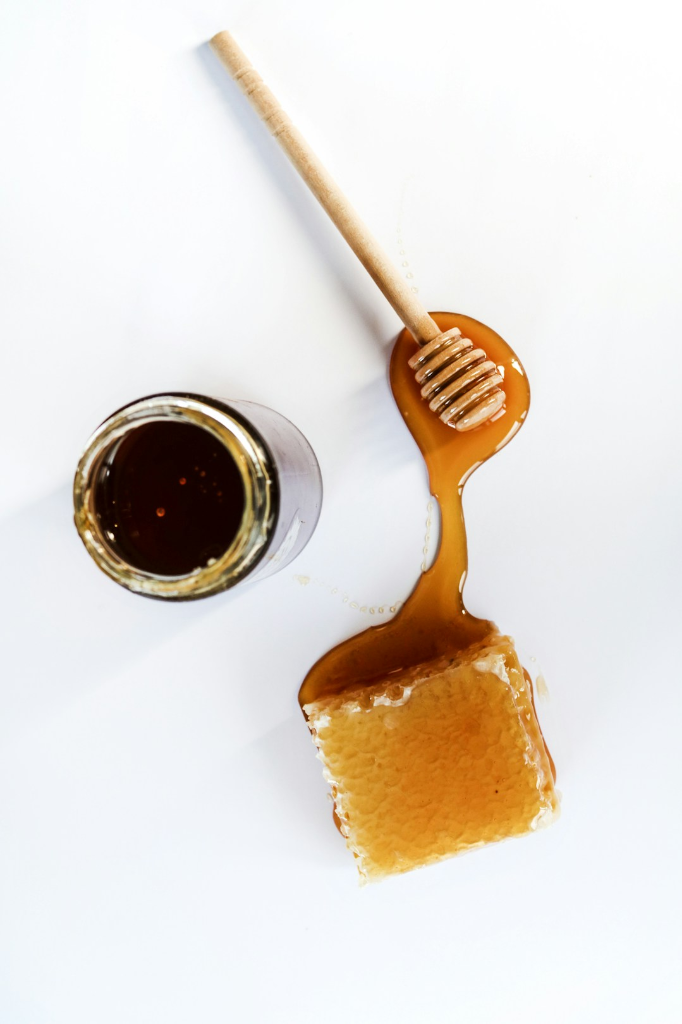
Editorial photograph unavailable.
Honey is sweet, but sweetness is not its only contribution. The USDA describes floral sources as a reason honeys differ in flavor and aroma. A lighter honey and a darker, stronger-tasting one can make different hot honey blends.
Try tasting a little of the plain honey before choosing a chili pairing. Then taste the finished hot honey on a small cooked serving. You might prefer a mild base on pizza or a stronger flavor with cheese. Taste a little of each to find the pairings you enjoy.
Read beyond the front label
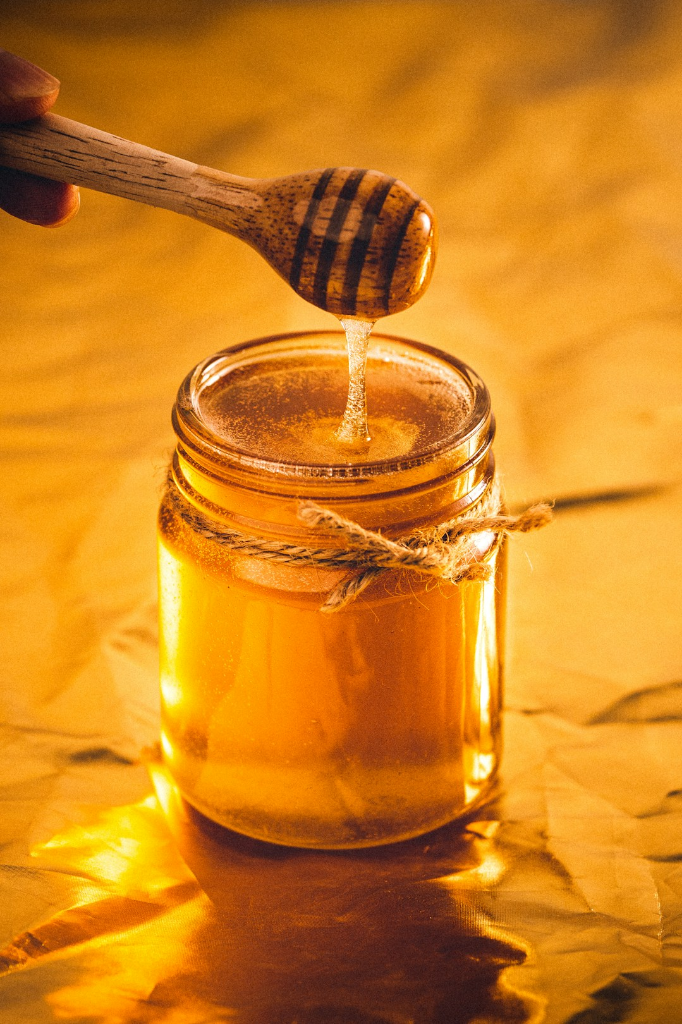
Editorial photograph unavailable.
Words such as “raw,” “unfiltered” or a named flower do not, by themselves, prove that a honey is pure, safer or better suited to your recipe. Read the ingredients and ask the producer what the terms mean for their process.
FDA honey-labeling guidance explains how honey and products made by adding other ingredients should be identified. For a bottle of hot honey, the full ingredient list also tells you whether it includes vinegar, other sweeteners or seasonings.
Put that knowledge to use
- Taste small amounts of different honeys to compare their floral flavors.
- Start with a little commercial hot honey, then increase the amount on your serving if you want more heat.
- Ask where the honey comes from and how the producer cares for the colonies.
- Try a drizzle on pizza, cooked chicken or cheese and notice what the honey adds beyond sweetness.
Keep homemade infusions tied to tested preparation and storage instructions. The storage properties of plain honey cannot be assumed for a changed recipe. Also, CDC advises against giving honey to children younger than 12 months because of infant botulism risk.
Choosing a bottle or a recipe
For ready-made options, compare bottled hot honeys in our shop. The shop links to Amazon for checkout. If you want a published collection of recipes, read our Hot Honey Cookbook buying guide.