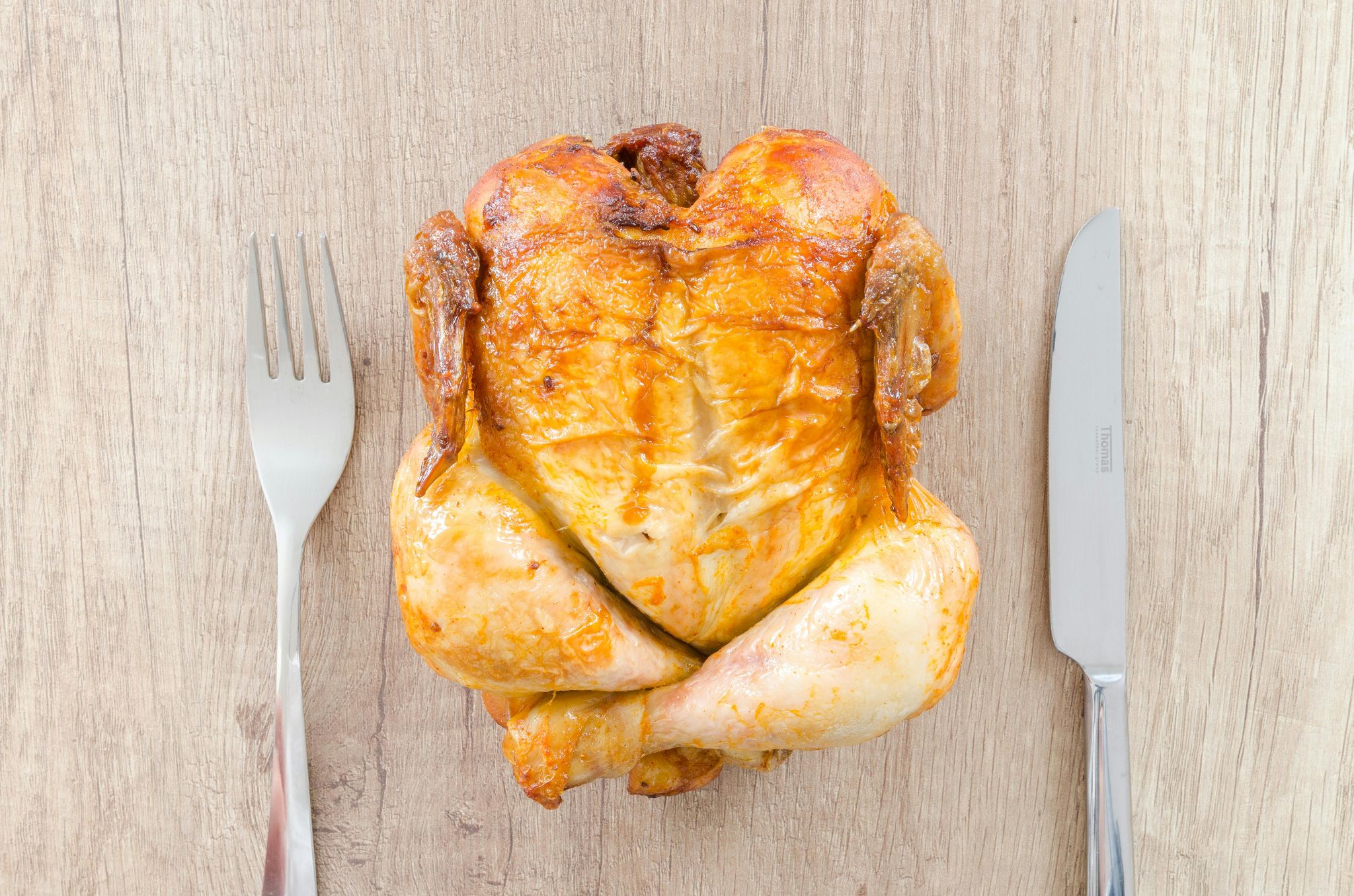
Hot honey can go onto chicken before cooking, during cooking or at the table. Use it in a marinade, brush it on as a glaze, or mix it into a dip for fully cooked wings and tenders.
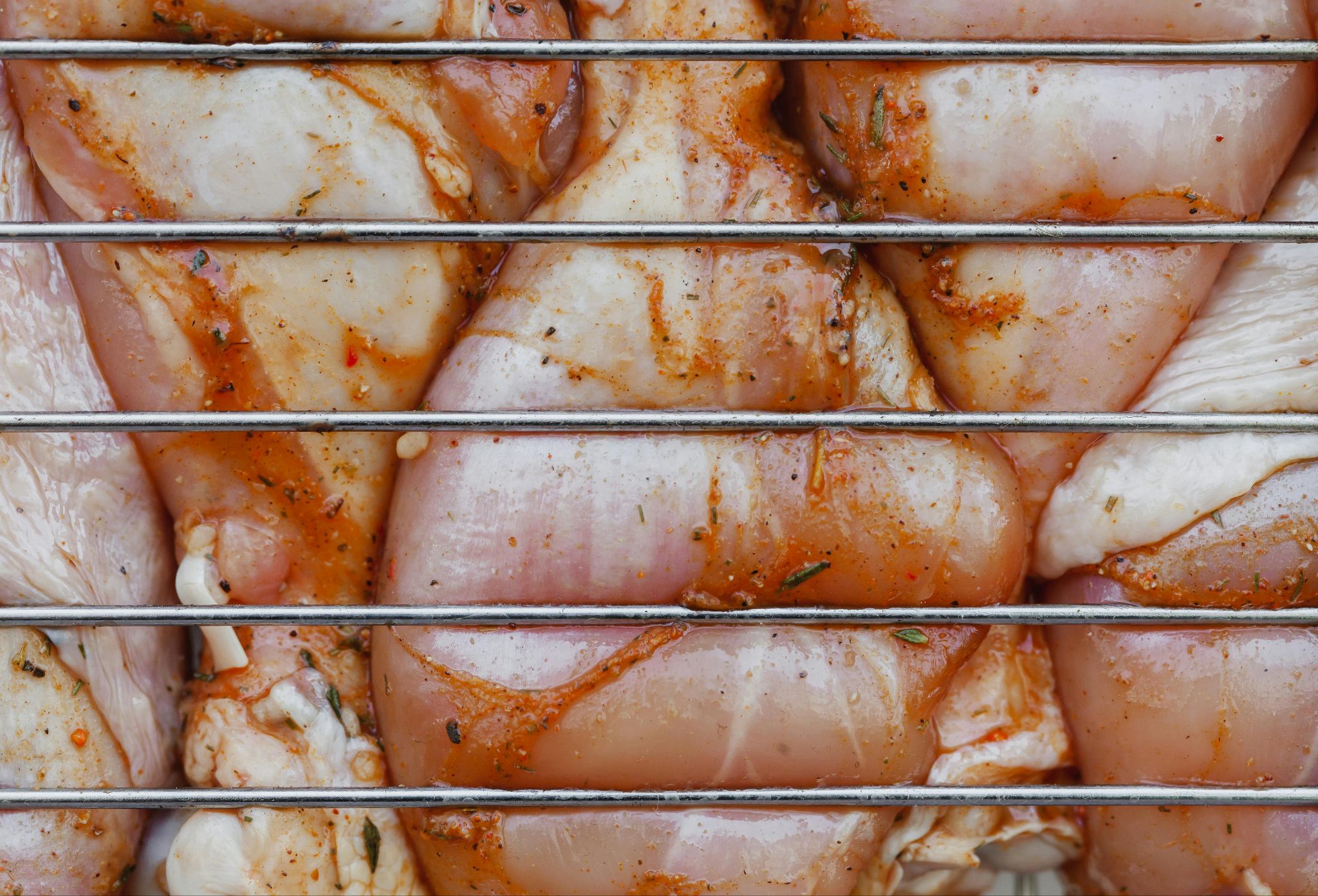
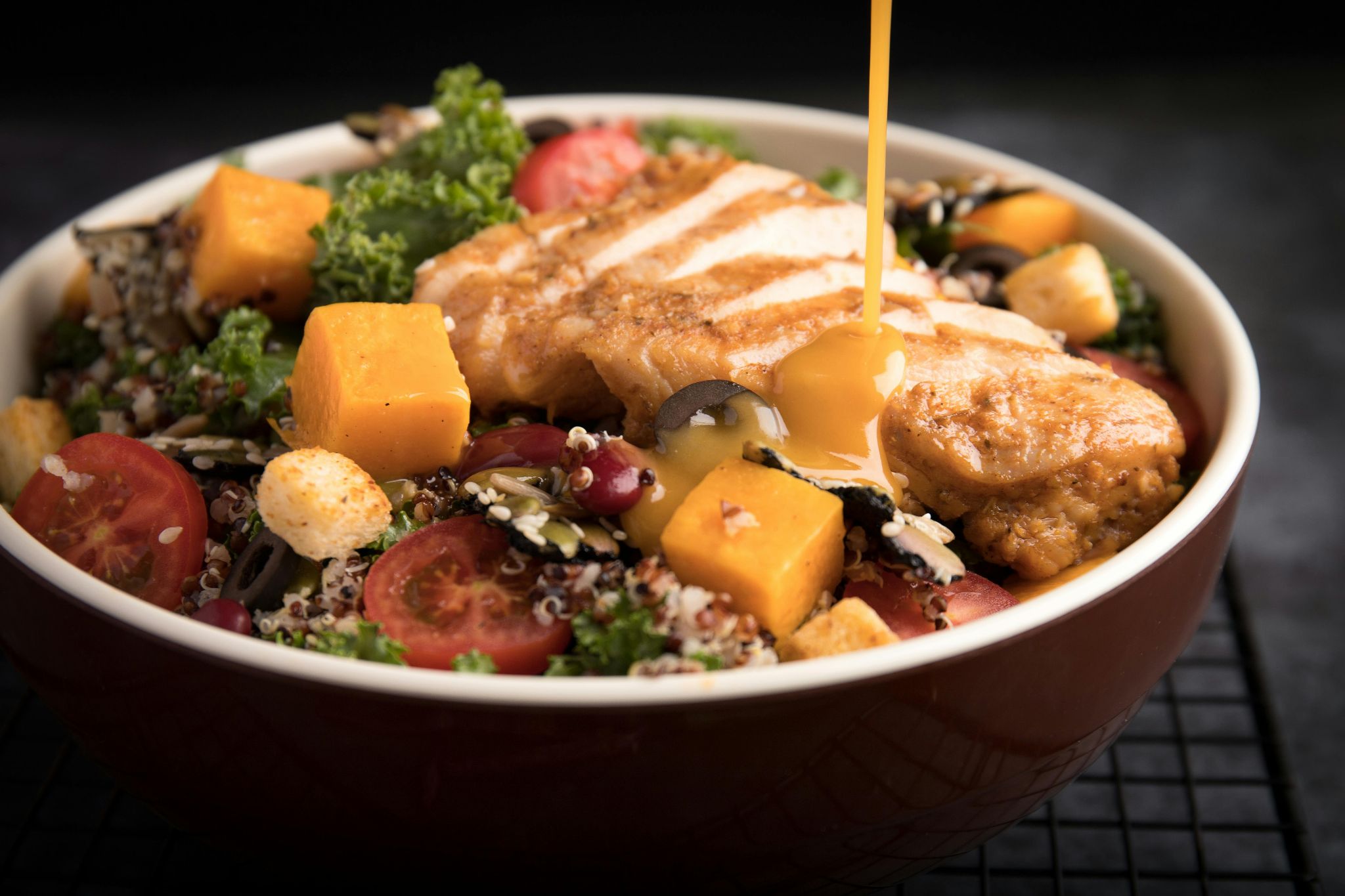
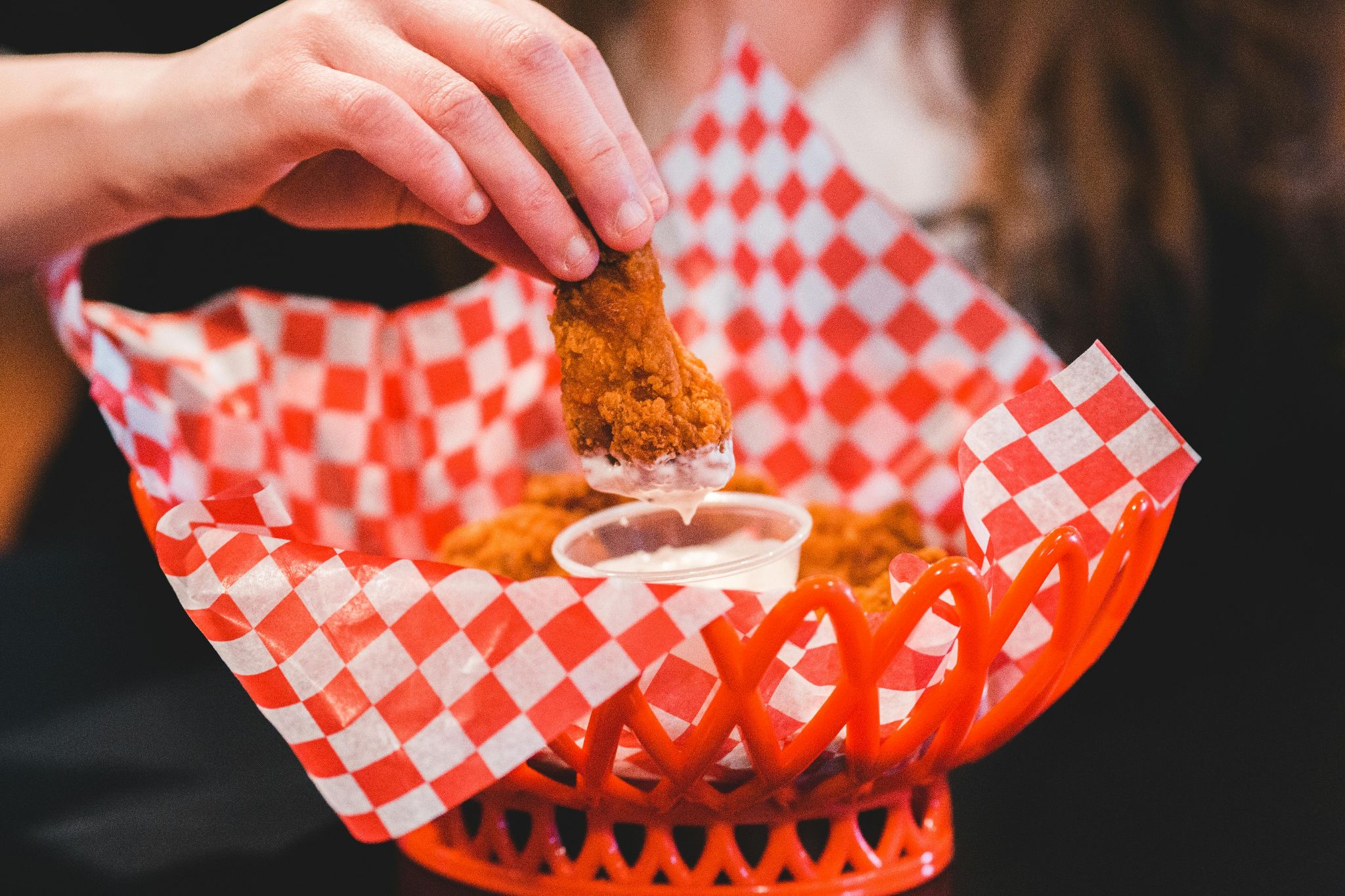
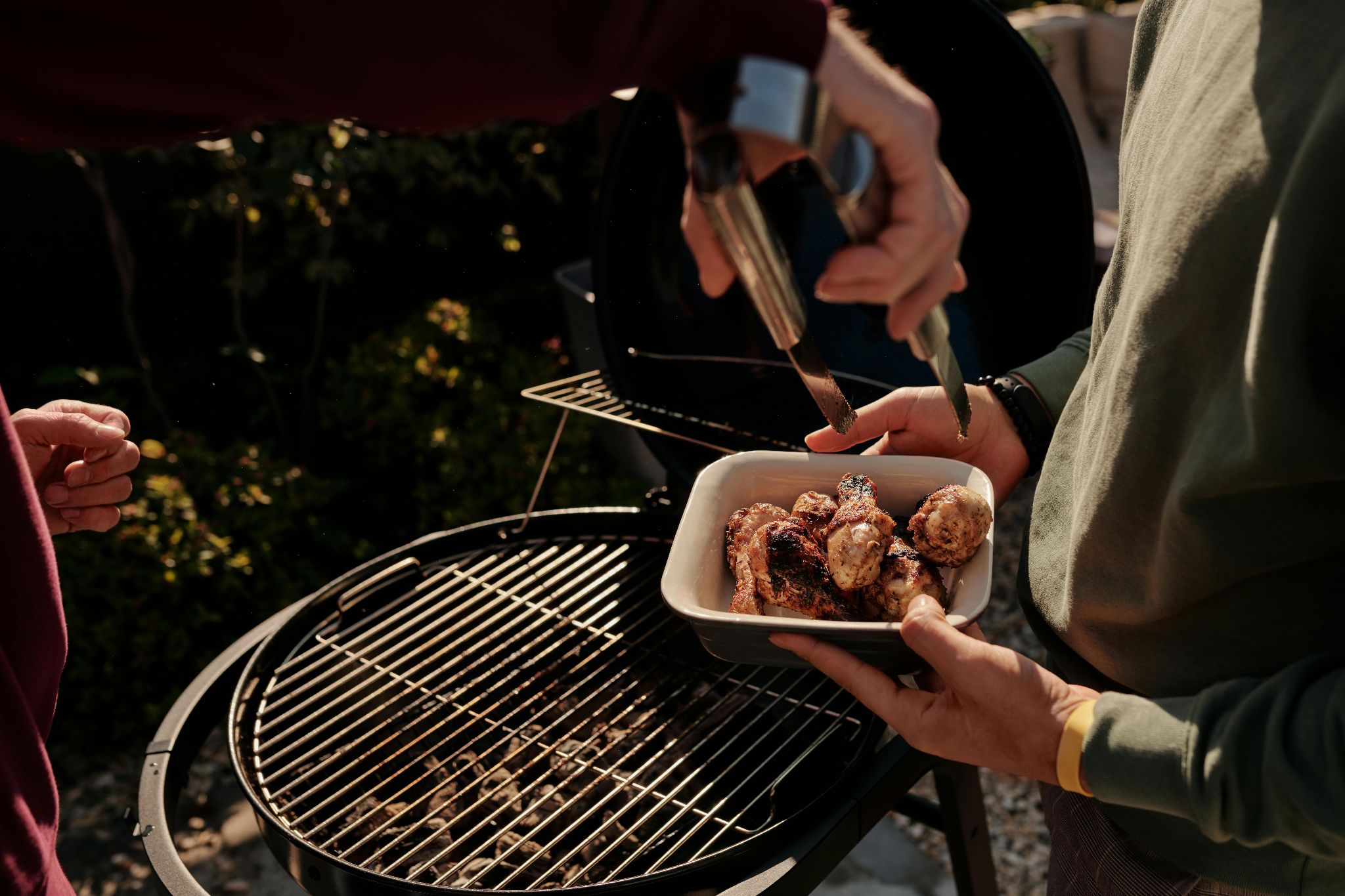
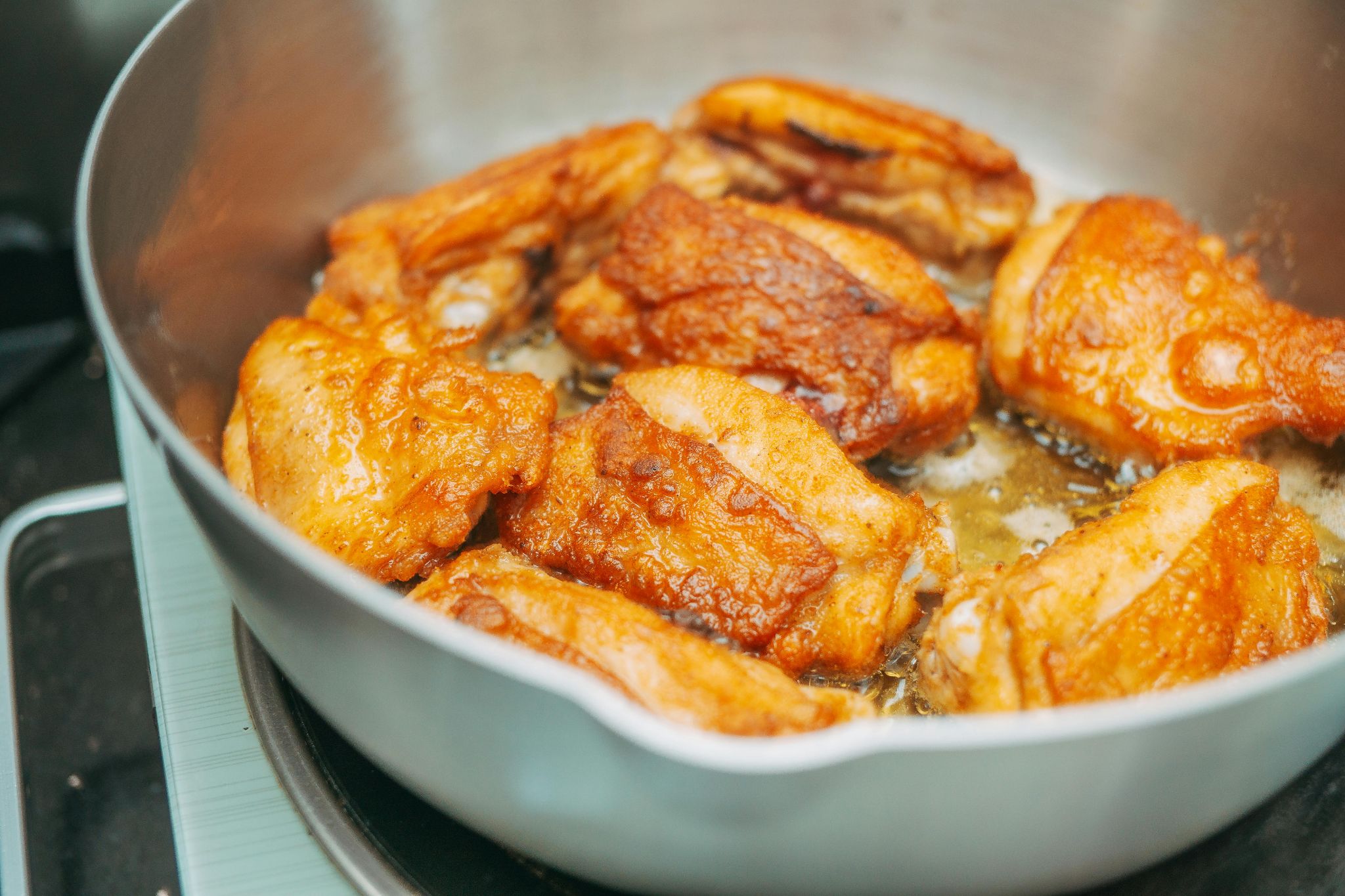
Four measured marinades are followed by glaze, sauce and dip ideas. The supplied photographs illustrate preparation and serving; their seasonings and recipes are not identified.
Why the pairing works
The honey brings sweetness and heat; the chicken gives it a savory base.
A marinade can combine hot honey with soy sauce, garlic, ginger or citrus. A finishing drizzle lets you keep the chicken preparation simple.
Breasts, thighs, wings and drumsticks cook differently. Choose a method for your specific cut and check doneness with a food thermometer.
Three ways to use hot honey
Decide when you want to add hot honey:
Marinade
Mix hot honey with the other ingredients before adding raw chicken. Use a covered food-safe container in the refrigerator.
Glaze
Brush a glaze on later in cooking so its sugars have less time to burn, or drizzle hot honey over fully cooked chicken before serving. Keep any portion intended for serving separate from the bowl and brush that touch uncooked chicken.
Dip
Serve a fresh dipping sauce beside fully cooked wings, nuggets or tenders. Mustard, vinegar or a creamy dressing can balance the honey.
Choosing your chicken cut
Think about the texture you want and the recipe you plan to use.
Breasts: Lean meat for grilling or baking; avoid judging doneness by appearance alone.
Thighs: A richer cut that works in grilled, roasted or fried dishes.
Wings: Easy to coat with a finishing glaze after cooking.
Drumsticks: Use a barbecue or slow-cooker recipe written for this cut, or serve with a dipping sauce.
Article image unavailable.
Marinating the chicken
Use the marinades below as flavor ideas. Marinating does not make raw poultry safe or replace cooking it to the recommended temperature.
For each marinade below, whisk together everything except the chicken. Coat the chicken in a covered food-safe dish or resealable bag and refrigerate for 30 minutes to 2 hours. USDA guidance on marinating poultry recommends a covered food-safe container in the refrigerator. Keep it at 40°F or below. Discard the used marinade after removing the chicken. If you want sauce for serving, reserve a clean portion before adding raw chicken.
Sweet and Spicy Buttermilk
1 cup buttermilk
1/4 cup hot honey
1 teaspoon cayenne pepper (adjust to taste)
1 teaspoon smoked paprika
1 teaspoon garlic powder
1 pound chicken (any cut)
Asian Flare
1/4 cup soy sauce
1/4 cup hot honey
2 tablespoons rice vinegar
1 tablespoon sesame oil
2 cloves garlic, minced
1 pound chicken (preferably thighs or breasts)
Mexican Pizazz
1/4 cup fresh lime juice
2 tablespoons hot honey
1 teaspoon chili powder
1 teaspoon cumin
1 tablespoon olive oil
Salt and pepper to taste
1 pound chicken (any cut)
Garlic Galore
1/4 cup hot honey
1/4 cup olive oil
6 cloves garlic, minced (or 1 tablespoon garlic powder)
1 tablespoon Dijon mustard
1 tablespoon balsamic vinegar
Salt and pepper to taste
1 pound chicken (any cut)
Turn the chicken in the container to coat it. Wash your hands and any tools that touch raw poultry before handling ready-to-eat food. USDA food-safety guidance explains how to keep raw poultry separate from cooked and ready-to-eat foods.
Glazes and sauces
The following flavor combinations have no specified quantities. Start with small amounts and taste using a clean spoon before the sauce touches uncooked poultry.
Glaze ideas
Hot Honey Glaze: Combine hot honey with a little soy sauce and lime juice. Brush it on toward the end of cooking.
Spicy Mustard: Mix hot honey with Dijon mustard and a little apple cider vinegar. Serve a clean portion as a dip or finishing sauce.
Garlic Herb Infusion: Combine hot honey, minced garlic and rosemary or thyme for a fresh glaze. Make it for the meal; this is not a shelf-stable infused-honey recipe.
Article image unavailable.
Sauce ideas
Creamy Hot Honey Ranch: Stir a little hot honey into ranch dressing for cooked tenders or wings.
Tangy BBQ Sauce: Add hot honey to your preferred barbecue sauce. Taste before adding more; the sauce may already be sweet. Serve it with grilled chicken or as a dip for wings.
Cilantro Lime Sauce: Stir hot honey into Greek yogurt, lime juice and chopped cilantro for a chilled sauce to serve with grilled chicken.
Applying sauces
Use a separate bowl and clean utensils for the sauce you serve at the table. Refrigerate creamy sauces until serving.
Article image unavailable.
Dipping sauces
A few small dipping bowls let everyone choose their own amount of sweetness and heat.
Dip ideas
Buffalo Basics: Combine hot sauce, butter and a little vinegar, then stir in hot honey. Toss fully cooked wings in the sauce or serve it alongside. Serve with celery and blue cheese dressing.
Creamy Garlic Dip: Mix sour cream, mayonnaise, minced garlic and fresh herbs with a small drizzle of hot honey. Keep it refrigerated until serving.
Hot Honey Mustard Dip: Start with equal parts hot honey and Dijon mustard. Taste, then adjust to your preference.
Ranch-Style: Swirl hot honey into homemade or prepared ranch dressing.
Serving dips
Serve dips in small bowls, with fresh herbs or spices as an optional garnish. Replenish small portions from the refrigerator as needed. Keep them separate from raw-chicken prep. Refrigerate perishable food within 2 hours, or within 1 hour when the temperature is above 90°F.
Choose a cooking method
Use a recipe written for the cut and size of chicken you have. FoodSafety.gov guidance calls for all poultry to reach at least 165°F in its thickest part, with the thermometer clear of bone. Golden skin or a crisp coating does not establish that the center is done.
Article image unavailable.
Grilling
For grilling, use a method suited to the cut, keep space between pieces and turn as the recipe directs. Apply a hot honey glaze later in cooking and watch for scorching. Serve with coleslaw or grilled vegetables.
Baking
For baking, use a roasting recipe for your cut and check with a thermometer. Choose a pan liner rated for the recipe temperature; parchment paper limits vary. Add a hot honey glaze toward the end. Serve with roasted vegetables or a fresh salad.
Frying
For fried chicken, follow a tested method that specifies the cut, coating, pan and oil temperature. Lower dry-coated pieces carefully into the oil, avoid crowding and check the cooked chicken reaches 165°F. Add hot honey after frying. A sugary wet marinade needs a suitable frying recipe and coating. Serve with fries or tangy coleslaw.
Article image unavailable.
Air frying
For air frying, follow the appliance instructions and a recipe for your cut. Leave room for air to circulate and use only sprays and accessories permitted by the manufacturer. Check each piece reaches 165°F; timing depends on size and the appliance. Serve with fresh vegetables or a quinoa salad.