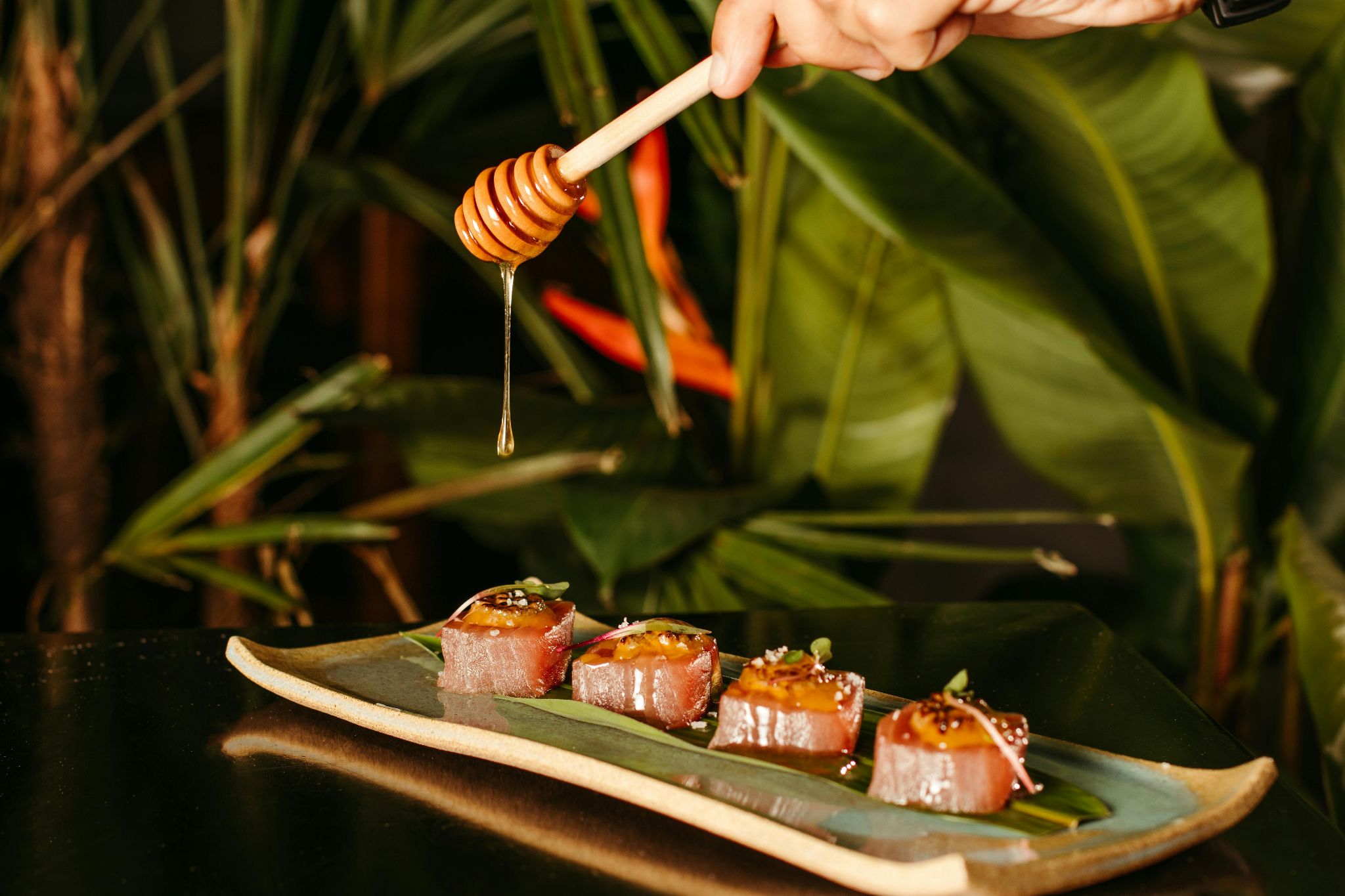
Hot honey adds sweetness and heat to shrimp, salmon and lobster. Start with a little so the seafood remains the main flavor.
These recipes include breaded shrimp, grilled salmon, a tuna melt and lobster with honey butter. A vinegar-and-shallot mignonette gives you another sauce option for fully cooked seafood. The supplied photographs illustrate ingredients and preparation; they do not show dishes we tested or establish that hot honey is pictured.
Keep the pairing simple
A honey glaze can balance salty or savory ingredients, but it can burn over direct heat. Watch the food as it cooks. Keep any sauce intended for serving separate from sauce that touches raw or partly cooked seafood.
Keep seafood refrigerated until preparation. FDA seafood guidance recommends cooking most seafood to an internal temperature of 145°F. Keep raw seafood and its utensils separate from ready-to-eat food. The cooking times below are estimates; size, thickness and equipment affect how long food takes.
Article image unavailable.
Hot honey popcorn shrimp
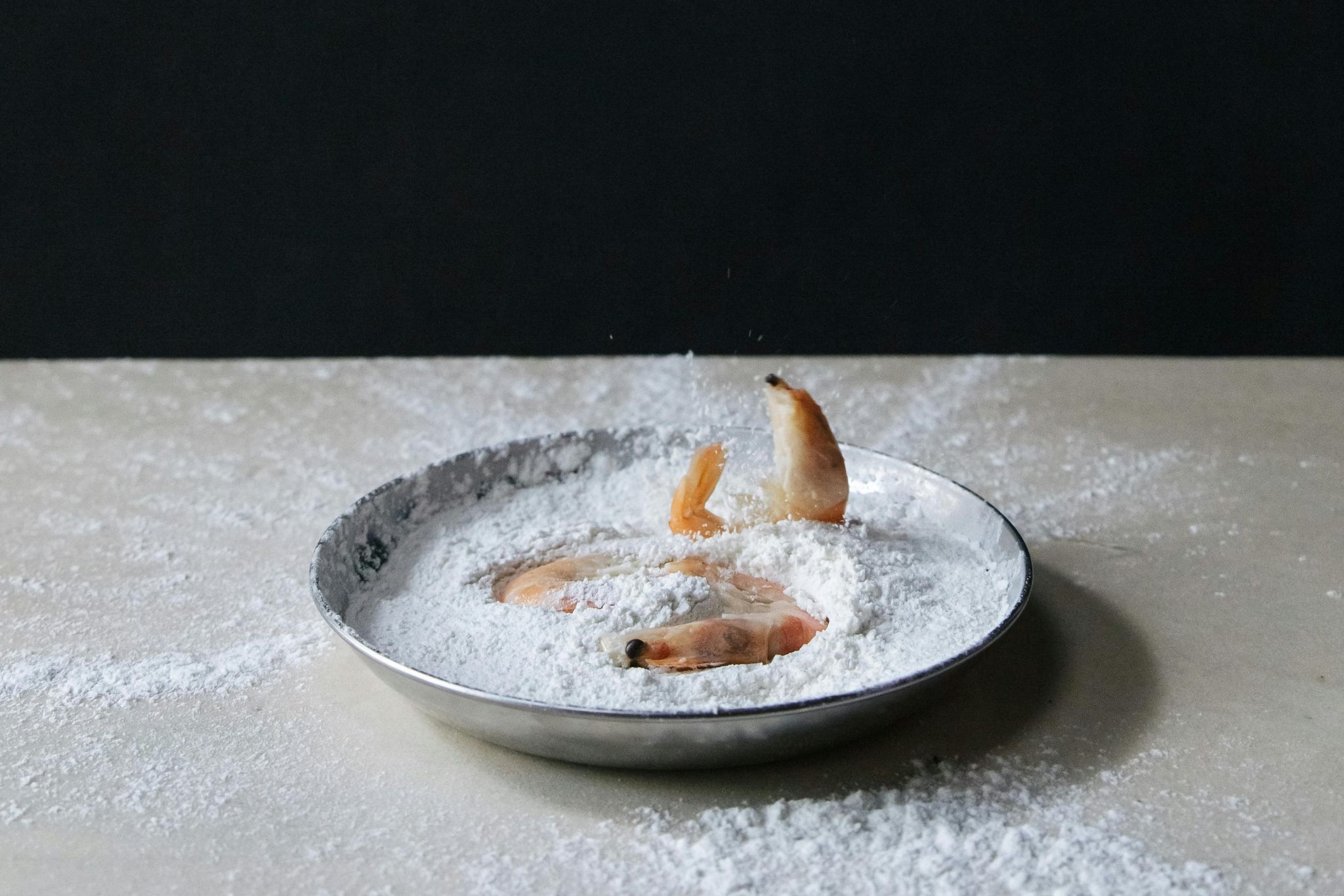
Buttermilk and seasoned flour give these shrimp a crisp coating. The hot honey goes into the marinade. Use fresh honey for an optional drizzle at the table.
Ingredients
- 1 pound large shrimp, peeled and deveined
- 1 cup buttermilk
- 1 tablespoon hot honey
- 1 teaspoon garlic powder
- 1 teaspoon paprika
- Salt and pepper, to taste, for the marinade
- 1 cup all-purpose flour
- 1 teaspoon baking powder
- 1 teaspoon cayenne pepper, adjusted to taste
- 1 teaspoon salt, for the breading
- 1/2 teaspoon black pepper, for the breading
- Vegetable or canola oil, for frying
Instructions
- Mix the buttermilk, hot honey, garlic powder, paprika and seasoning in a covered food-safe container. Add the shrimp and marinate in the refrigerator for at least 30 minutes.
- Whisk the flour, baking powder, cayenne, salt and black pepper in a separate bowl.
- Remove the shrimp and let excess liquid drip off. Dredge in the flour mixture and shake off loose flour. Discard the used marinade and breading.
- Use a heavy pan deep enough for 2 inches of oil with room above it; do not overfill. Heat the oil to 350°F (175°C). Carefully lower the coated shrimp into the oil in small batches.
- Fry for an estimated 2–3 minutes, checking that the shrimp are cooked through. FDA describes cooked shrimp as firm, pearly and opaque. A golden coating alone does not establish doneness. Use a slotted spoon to transfer them to a clean plate lined with paper towels.
- Serve promptly. Add a fresh drizzle of hot honey if you want more sweetness, with optional parsley or green onions.
Grilled hot honey salmon
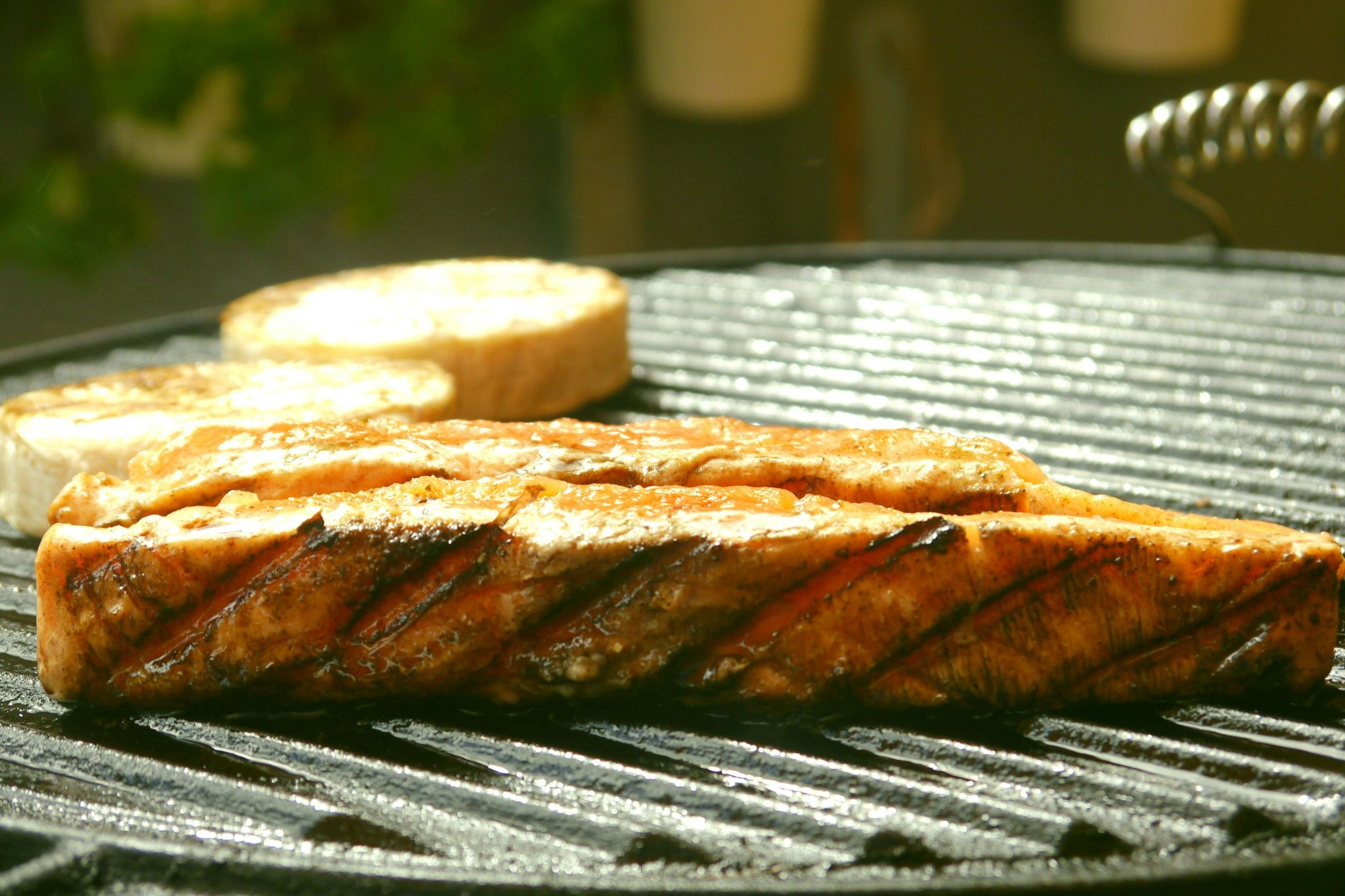
Honey, soy sauce, garlic and lemon make a simple salmon marinade.
Article image unavailable.
Ingredients
- 4 salmon fillets, 6 ounces each
- 2 tablespoons hot honey
- 2 tablespoons olive oil
- 2 tablespoons soy sauce
- 2 garlic cloves, minced
- Juice of 1 lemon
- Salt and pepper, to taste
- Lemon wedges and fresh parsley, optional, for serving
Instructions
- Whisk together the hot honey, olive oil, soy sauce, garlic, lemon juice, salt and pepper.
- Put the salmon in a shallow dish or food-safe resealable bag and coat it with the marinade. Refrigerate for 30 minutes to 1 hour.
- Preheat the grill to medium-high heat and oil the grates. Remove the salmon and discard the used marinade.
- Grill skin-side down for an estimated 5–6 minutes. Turn carefully and cook for another estimated 4–5 minutes. Check that the thickest part reaches at least 145°F with a food thermometer; the times alone do not establish doneness.
- Transfer to a clean plate and serve with the optional lemon and parsley.
Hot honey tuna melt
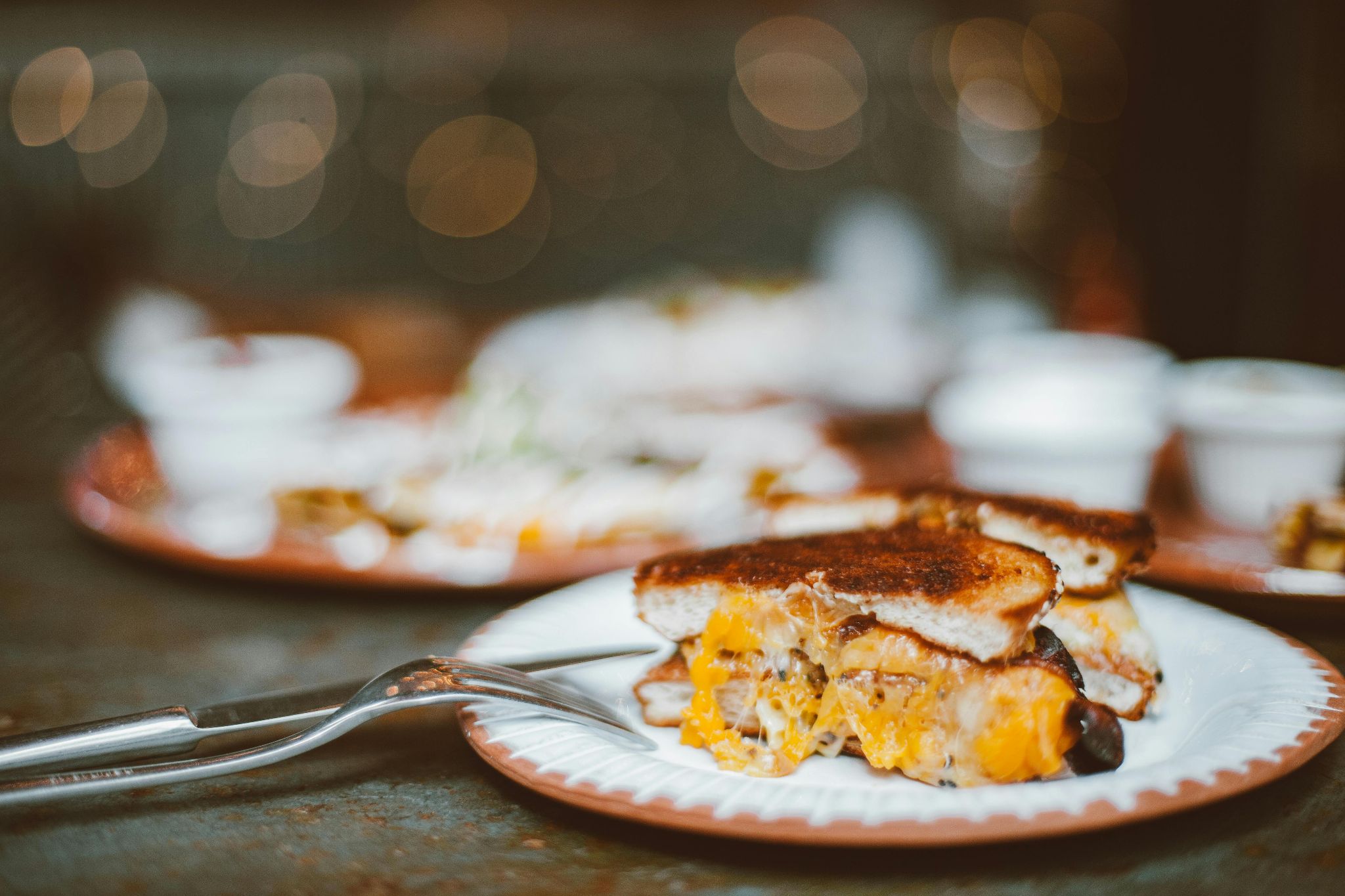
Stir hot honey into canned-tuna filling for a sweet-and-spicy melt. Four bread slices make two sandwiches.
Article image unavailable.
Ingredients
- 2 cans of tuna, 5 ounces each, drained
- 1/4 cup mayonnaise
- 1 tablespoon hot honey
- 1 tablespoon Dijon mustard
- 1 tablespoon lemon juice
- 1/4 cup finely chopped celery
- 1/4 cup finely chopped red onion
- Salt and pepper, to taste
- 4 slices of bread, such as sourdough, whole grain or white
- 4 slices of cheese, such as cheddar or Swiss
- Butter, for the outside of the sandwiches
Instructions
- Mix the drained tuna, mayonnaise, hot honey, mustard, lemon juice, celery, red onion and seasoning.
- Heat a skillet or griddle over medium heat.
- Build two sandwiches on a clean work surface, dividing all the filling and all four cheese slices between them.
- Butter the outside of each sandwich. Cook for an estimated 3–4 minutes per side, turning carefully, until the bread browns, the cheese melts and the filling is hot.
- Slice and serve promptly.
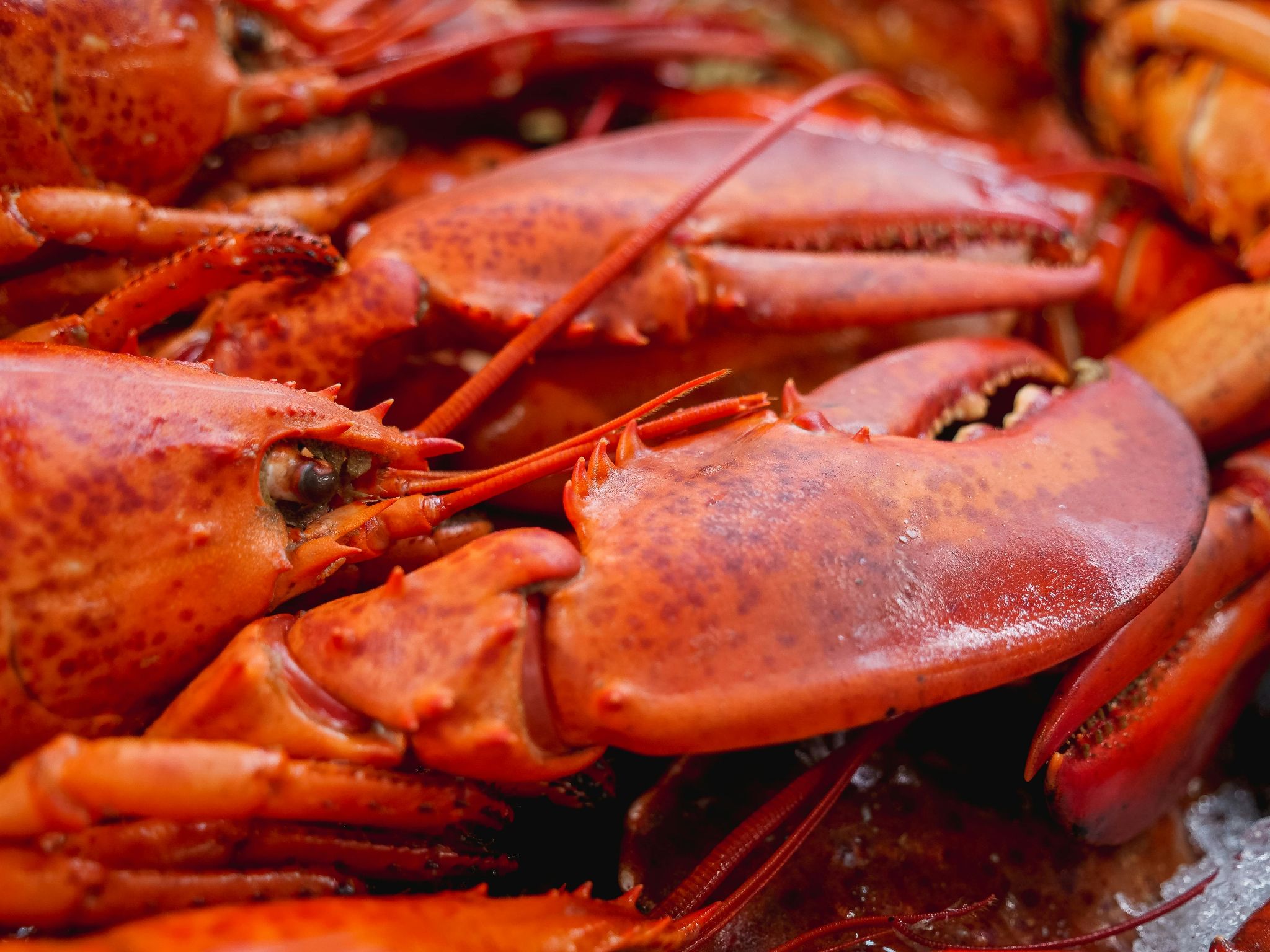
Grilled lobster with hot honey butter
Butter, lemon, garlic and honey make a finishing sauce for lobster. For another spread, see our hot honey butter guide.
Article image unavailable.
Ingredients
- 2 live lobsters, about 1–1.5 pounds each
- 4 tablespoons unsalted butter, melted
- 2 tablespoons hot honey
- 1 tablespoon lemon juice
- 2 garlic cloves, minced
- Salt and pepper, to taste
- Lemon wedges, for serving
- Fresh parsley or chives, optional, for serving
Instructions
- Prepare and grill the whole lobsters following the complete Maine Lobster preparation guide. It covers chilling, parboiling, cooling, splitting, cleaning and grilling the halves. Read the whole method before starting, including the equipment and any additional ingredients it calls for. Its timings do not specify a lobster weight and are not a substitute for checking doneness.
- Check that the thickest meat reaches at least 145°F. FDA describes cooked lobster as firm, pearly and opaque. A red shell or charred edges alone do not establish that the meat is cooked.
- In a clean bowl, mix the melted butter, hot honey, lemon juice, garlic, salt and pepper. Keep this finishing sauce away from raw or partly cooked lobster and its utensils.
- Transfer the cooked lobster to a clean platter. Use a clean spoon or brush to add the honey butter, then serve promptly with lemon and optional herbs.
The linked guide supplies the whole-lobster cooking method. The hot honey butter is a finishing suggestion; we have not kitchen-tested that adaptation.
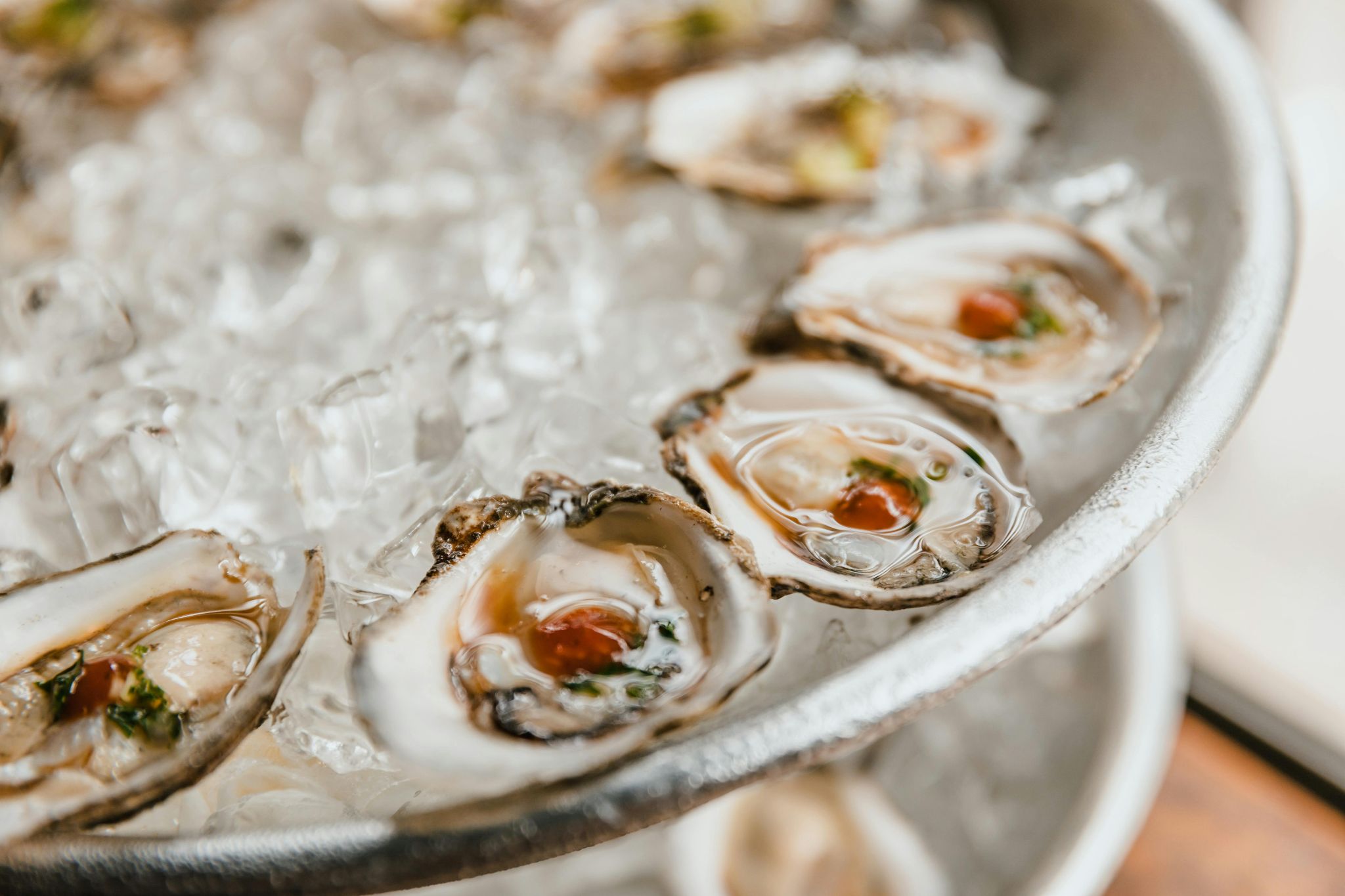
Hot honey mignonette for fully cooked seafood
This vinegar-and-shallot sauce can accompany fully cooked oysters or another cooked seafood dish. CDC’s oyster guidance explains that lemon juice and hot sauce do not kill Vibrio in raw oysters. A honey-vinegar dressing does not make raw shellfish safe.
Article image unavailable.
Ingredients
- 1/4 cup red wine vinegar
- 2 tablespoons hot honey
- 1 shallot, finely minced
- 1/2 teaspoon freshly cracked black pepper
- Pinch of salt
- 12–18 fully cooked oysters, or other fully cooked seafood, prepared using a tested cooking method
- Lemon wedges, for serving
Instructions
- Mix the vinegar, hot honey, shallot, pepper and salt. Let the sauce stand for 10–15 minutes, then refrigerate it until serving.
- Spoon a little sauce over fully cooked seafood and serve the lemon alongside.
- Serve promptly. Following FDA guidance, refrigerate perishable food within two hours, or within one hour when the temperature is above 90°F.
Choose a seafood dish and a side you enjoy. Add a little fresh hot honey at the table if you want more sweetness.