As an Amazon Associate I earn from qualifying purchases.
A little hot honey gives a cheese and cured-meat board sweet heat. Serve it in a small bowl so guests can add as much—or as little—as they like.
Here is how to choose the ingredients, arrange the board and keep its perishable foods safe while you entertain.
Choose a board or platter
Wood, slate and marble all work for serving. Pick a food-safe surface with enough space for your ingredients and room to reach them. A GIFTS TO ENGRAVE GTE-CCB personalized bamboo cutting board, brown 16-by-11-inch, on Amazon (paid link) is one option; a platter you already own works too.
Use small bowls for hot honey, olives, mustard and other messy additions. Place the bowls and larger cheeses first, then fill the spaces with meat, fruit, nuts and crackers.
Pick the meats
 Editorial image unavailable.
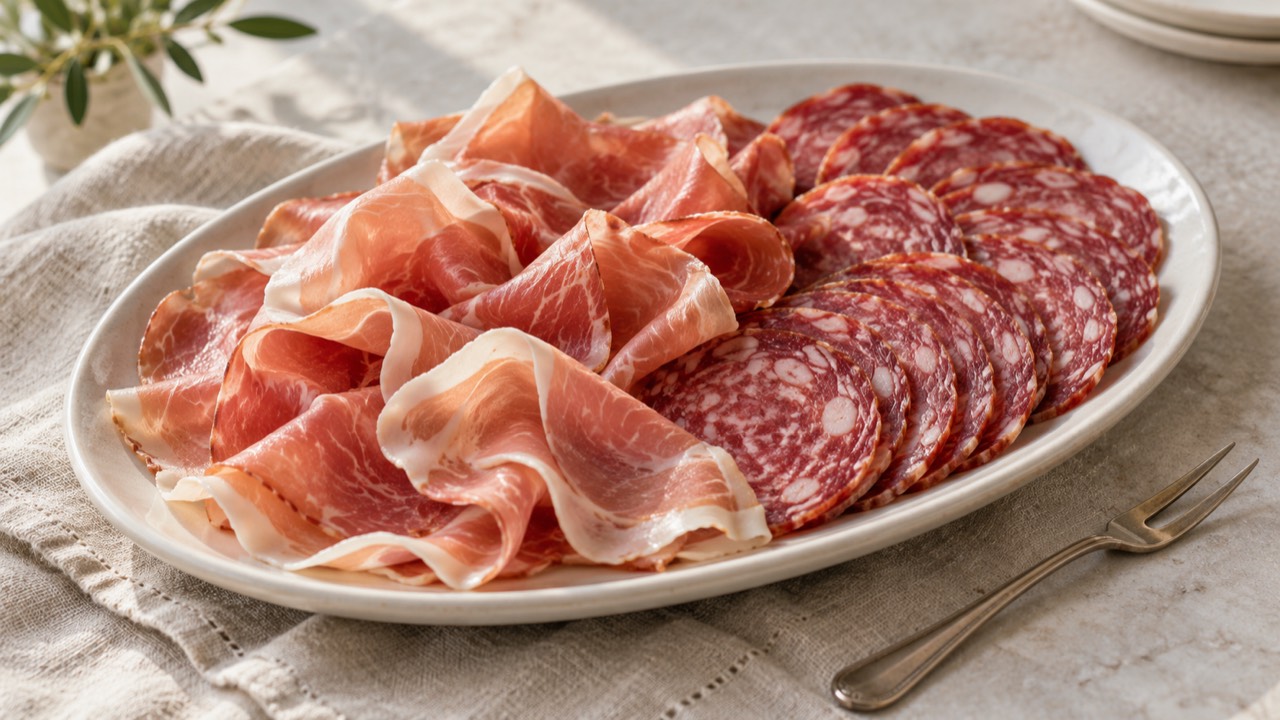
A mix of mild and strongly seasoned meats gives guests a choice:
- Prosciutto brings a delicate, savory flavor.
- Salami adds seasoning and a firmer texture.
- Ready-to-eat cured chorizo brings heat. Fresh chorizo needs cooking and is a different product.
Fold or loosely arrange the slices so they are easy to pick up. Keep extra meat refrigerated and bring out small portions as needed.
Choose the cheeses
 Editorial image unavailable.
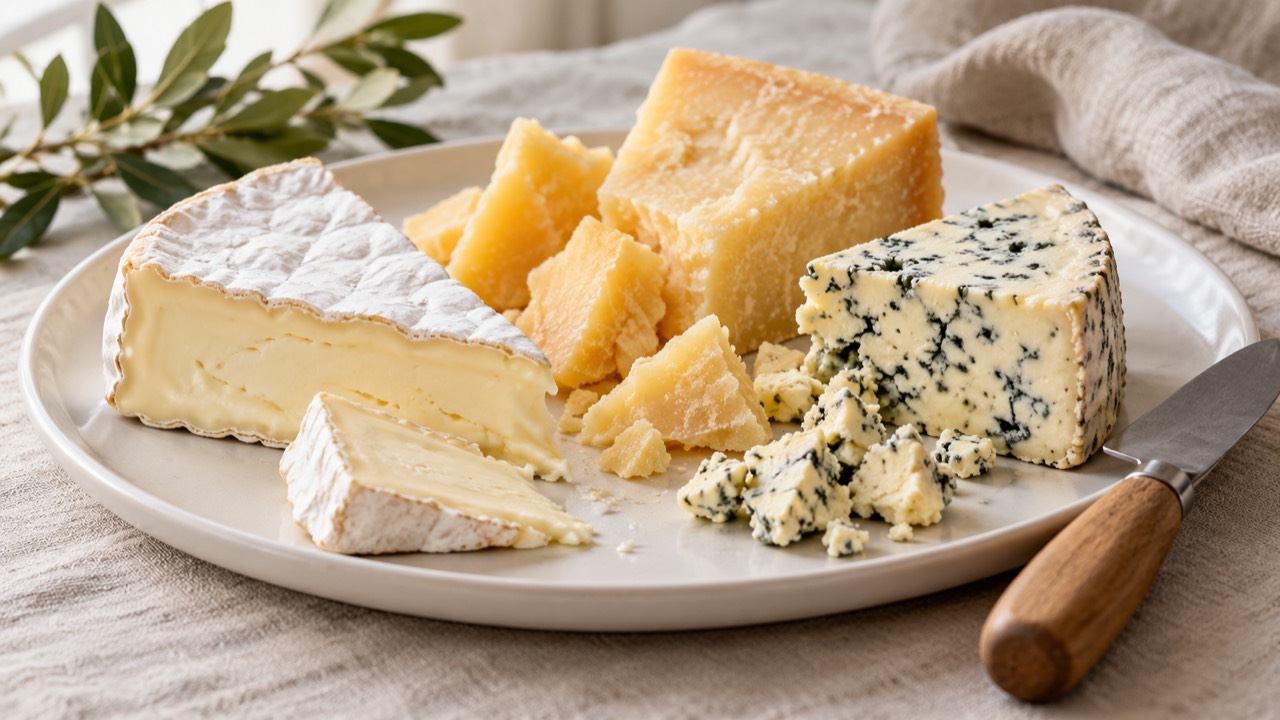
Try a few different textures:
- Soft cheese: Brie or Camembert makes a creamy base for hot honey.
- Semi-hard cheese: Gouda or Manchego brings a firmer, nutty bite.
- Blue cheese: Its stronger flavor may suit guests who enjoy a bolder pairing.
Hot honey and blue cheese can be a matter of preference, so offer the honey on the side. For more options, read our guide to pairing hot honey with cheese.
Add fruit and nuts
 Editorial image unavailable.
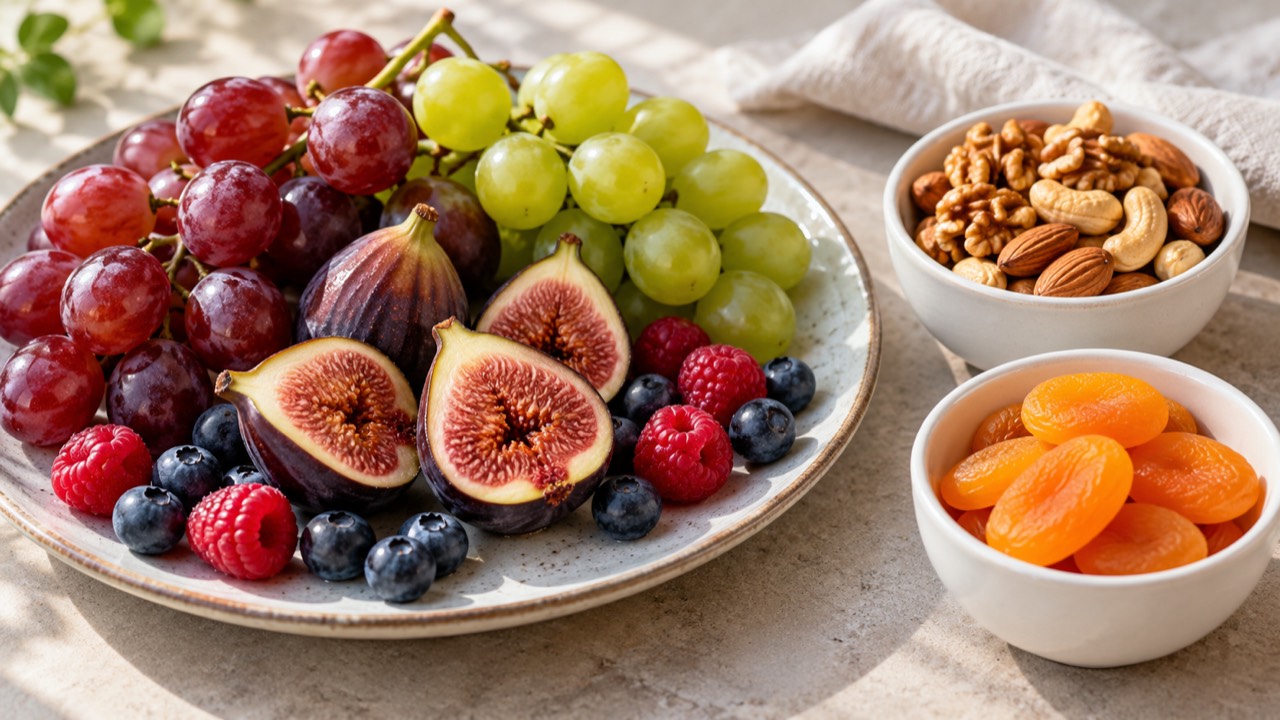
Fresh grapes, tangerines, figs, dates and berries bring sweetness and color. Choose fruit that is ripe and in season, wash it, and prepare manageable pieces.
Dried apricots, cranberries, pears and figs are easy additions. Almonds, walnuts and pistachios add crunch; we like Marcona almonds here. Keep nuts in a separate bowl if that makes them easier for guests to identify and avoid.
Include pickles and spreads
 Editorial image unavailable.
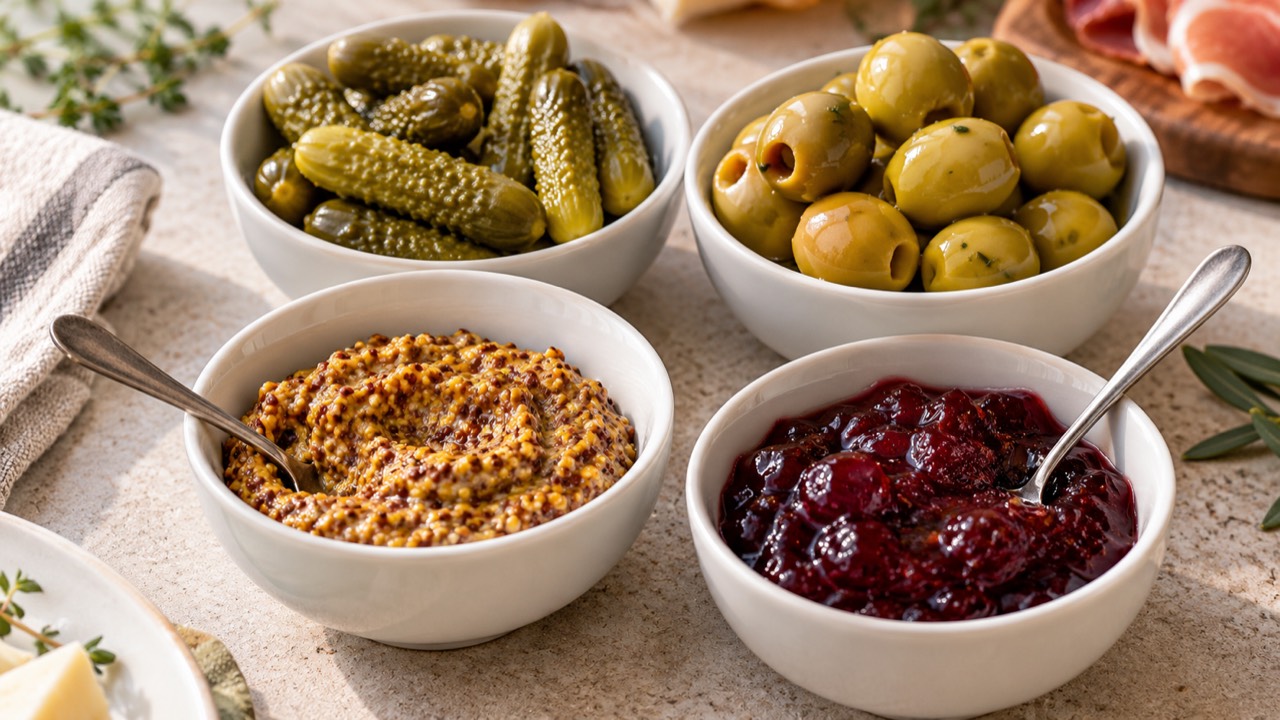
Cornichons, pickled onions and olives contrast with the richness of the meat and cheese. Grainy mustard, fig jam and chutney give guests a few more ways to build a bite.
And, of course, hot honey! Put it in a small bowl with a spoon rather than coating the whole board. Guests can drizzle it over their chosen cheese or try a little with prosciutto and a fresh fig.
Bring the bread and crackers
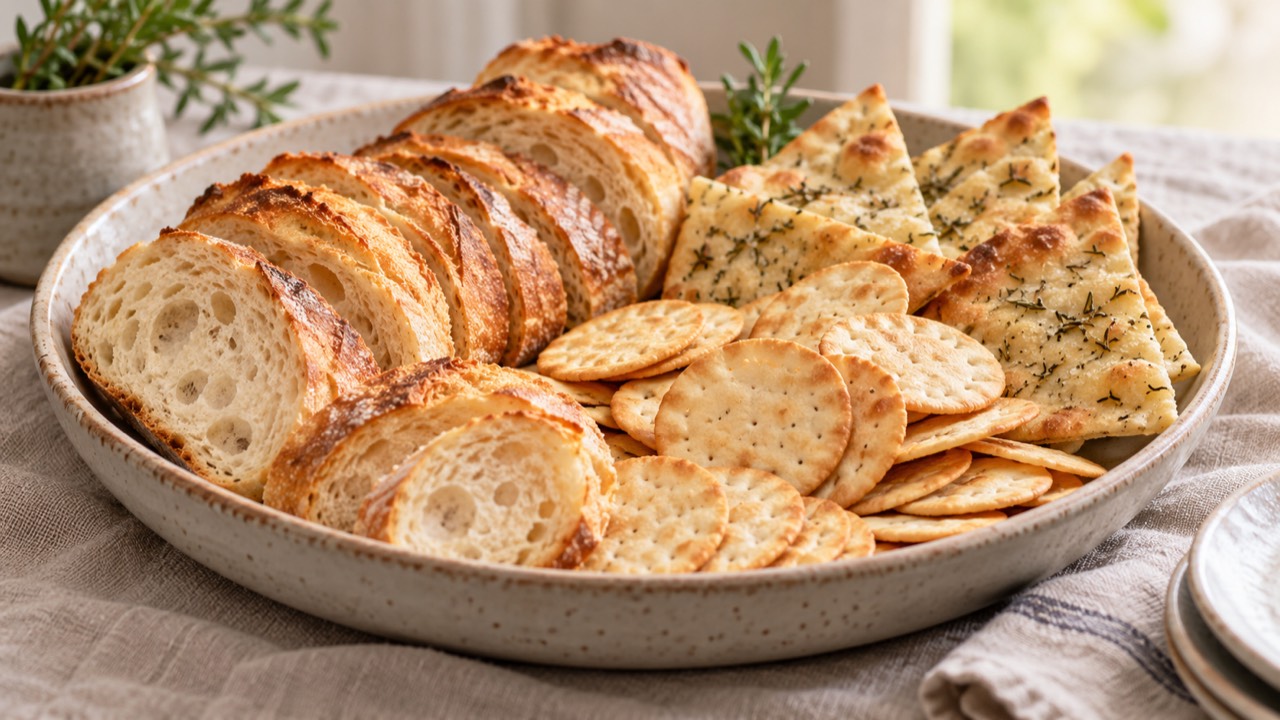 Editorial image unavailable.
Choose a couple of options with different textures:
- Baguette slices
- Water crackers
- Buttery crackers, such as Ritz
- Parmesan crisps
- Herbed flatbread crackers
- Focaccia
For a guest avoiding gluten, check the product’s ingredient and allergen information. Parmesan crisps are not automatically suitable just because they are made with cheese; keep suitable items separate from bread and crumbs.
Arrange and serve
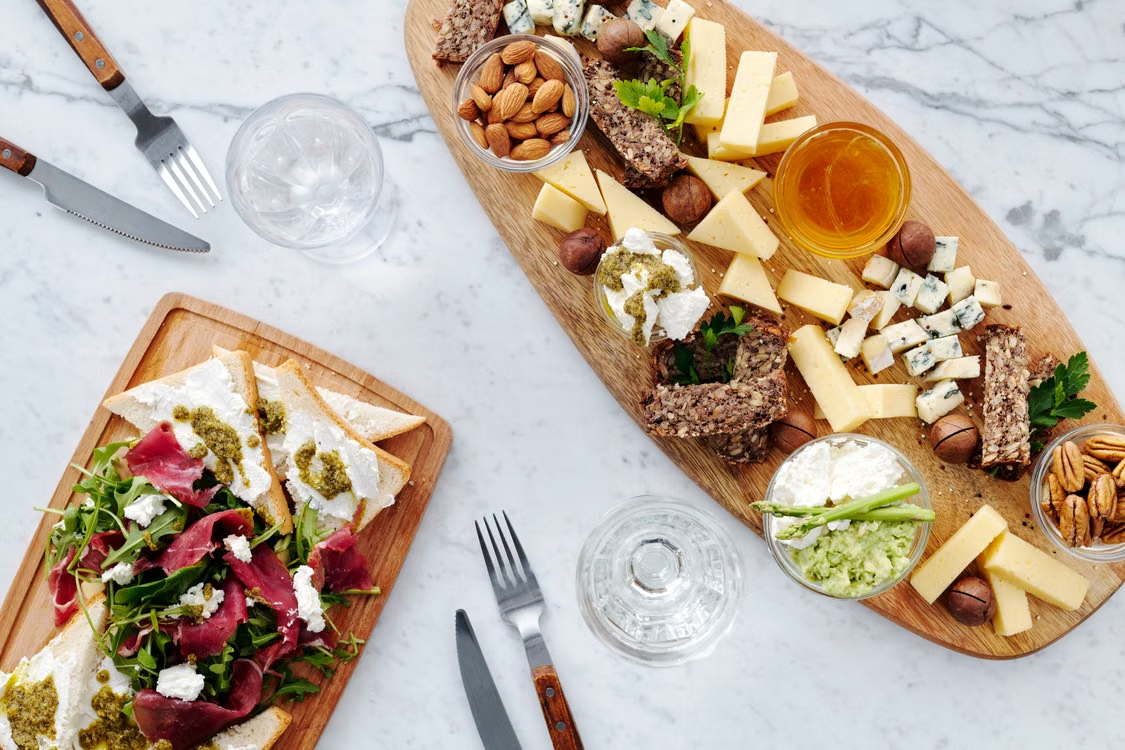 Editorial image unavailable.
Place the largest ingredients first. Tuck smaller items into the gaps and keep the serving utensils easy to reach. Leave a little space between ingredients so guests can pick what they want.
For a bite to try, layer a slice of meat, a piece of cheese and a little fresh or dried fruit. Finish with a small drizzle of hot honey. Start light if your bottle is particularly spicy.
Keep perishable foods cold
Meat, soft cheese and other perishable foods need temperature control. Keep them refrigerated until serving, and use small platters that you can replace with fresh refrigerated portions.
USDA guidance limits perishable food at room temperature to two hours, or one hour when the surroundings are above 90°F. Discard food that exceeds those limits. A board’s appearance or smell does not extend its safe serving time.
Common questions
How much food should I prepare?
Base the portions on your guest count and whether the board is a light appetizer or the main food. A board’s dimensions alone do not tell you how many people it will feed. Keep extra portions refrigerated for replenishing.
Can I prepare it ahead?
You can choose your serving dishes and portion suitable ingredients ahead. Keep perishable items covered in the refrigerator and follow each ingredient’s storage instructions. Assemble close to serving time; add bread and crackers last to keep them crisp.
What will it cost?
The total depends on your local prices, guest count and choices. Use fewer varieties, include fruit and bread, and serve on a platter you own if you want to keep the budget down.
Can I change the ingredients?
Absolutely. Try aged cheddar, figs or walnuts alongside your usual favorites. Offer alternatives that fit your guests’ dietary needs and check labels rather than assuming a product is suitable.
Which hot honey should I choose?
Choose a commercial bottle whose flavor and heat level you enjoy, and follow its storage instructions. Serve it on the side so everyone can find their own sweet-and-spicy balance.