Pickled onions, peach jam and a little hot honey can all belong on the same table. Start with a tested preserving recipe, then add the sweet heat when you serve the finished food.
Keep the preserving formula intact. A honey drizzle on an individual serving gives you room to adjust the flavor without changing the food going into the jar.
Why honey alone cannot preserve a mixture
Plain honey has little available moisture. Adding water or moist ingredients changes that condition. Oregon State University Extension explains in Infusing honey safely that fresh, low-acid ingredients can support harmful bacterial growth in honey. Honey’s antimicrobial reputation does not establish the safety of a garlic, fruit or vegetable mixture.
Use a research-based method for the exact food and preparation. Infusion, fermentation and canning have different requirements. Neither sweetness nor a clean-looking jar proves safe preservation.
 Illustrative photograph unavailable.
Pickled onions: follow the tested preparation
The National Center for Home Food Preservation’s pickling guidance explains why the proportions of food, vinegar and water matter. Use the acid and salt amounts required by the tested recipe. Salt is especially important in fermented pickles.
For a specific canned-onion recipe, read the Center’s complete Pickled Pearl Onions directions. They apply to that preparation. They do not validate sliced red onions in a different brine or a honey substitution.
For refrigerator pickles, use a tested recipe written for refrigerated storage. Follow its handling and storage limits.
 Illustrative photograph unavailable.
At serving time, put prepared pickles on a sandwich or cheese board and offer a little commercial hot honey alongside. Keep that addition out of the storage jar.
Peach jam: use the complete canning recipe
The Center’s Peach Jam with powdered pectin is a specific tested alternative. Read its complete fruit, lemon juice, pectin and sugar formula, preparation steps, jar instructions and elevation table before starting. A fixed ten-minute water bath is not a universal process for every jam.
Keep hot honey and optional peppers out of that formula. The Center’s NewsFlash warning about low-acid additions explains the risk of untested additions to jams and jellies. A fruit swap or a new sweetener also needs appropriate tested directions.
 Illustrative photograph unavailable.
Spread the prepared jam on toast or serve it with cheese. Add hot honey to your portion if you like the pairing, and follow the jam’s directions for storage after opening.
Garlic and fermentation need a validated method
Use a research-based fermentation method for the exact food and preparation. Do not improvise a room-temperature garlic, honey and water mixture or use bubbles or taste to decide whether it is safe.
 Illustrative photograph unavailable.
For honey infusion, follow the complete ingredient-specific method in Oregon State’s guide linked above. Its controlled infusion directions do not validate a different fermentation method.
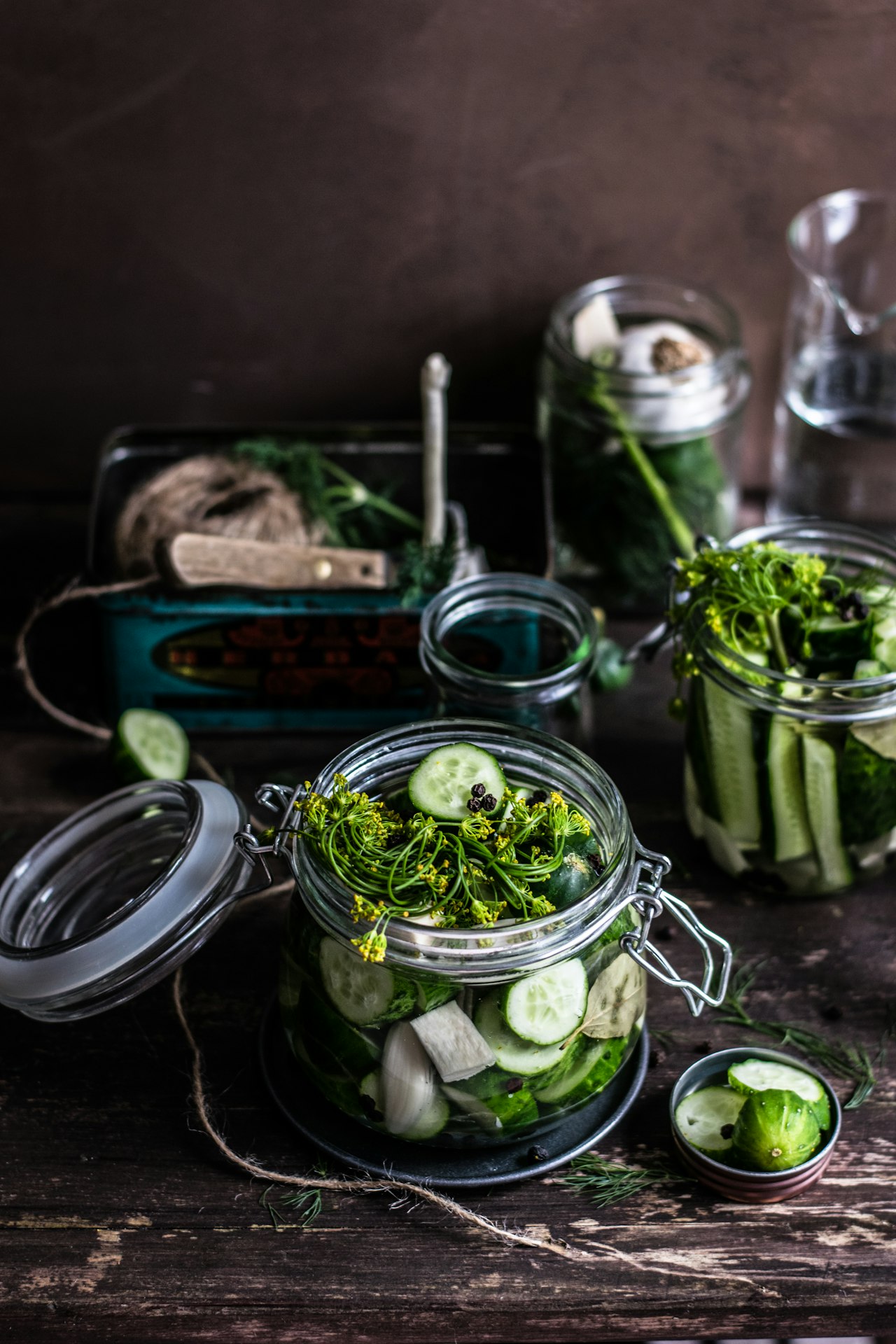 Illustrative photograph unavailable.
Keep the label and storage directions together
Use the jars, lids and preparation specified by the tested recipe and equipment manufacturer. Label the finished food with its contents and preparation date, and keep the recipe’s storage instructions with it.
For a gift, pair a properly prepared preserve with a separately sealed commercial hot honey bottle. Include serving suggestions and check the recipient’s dietary needs against the ingredient labels. A decorative jar or a photograph does not prove that its contents are safe for room-temperature storage.
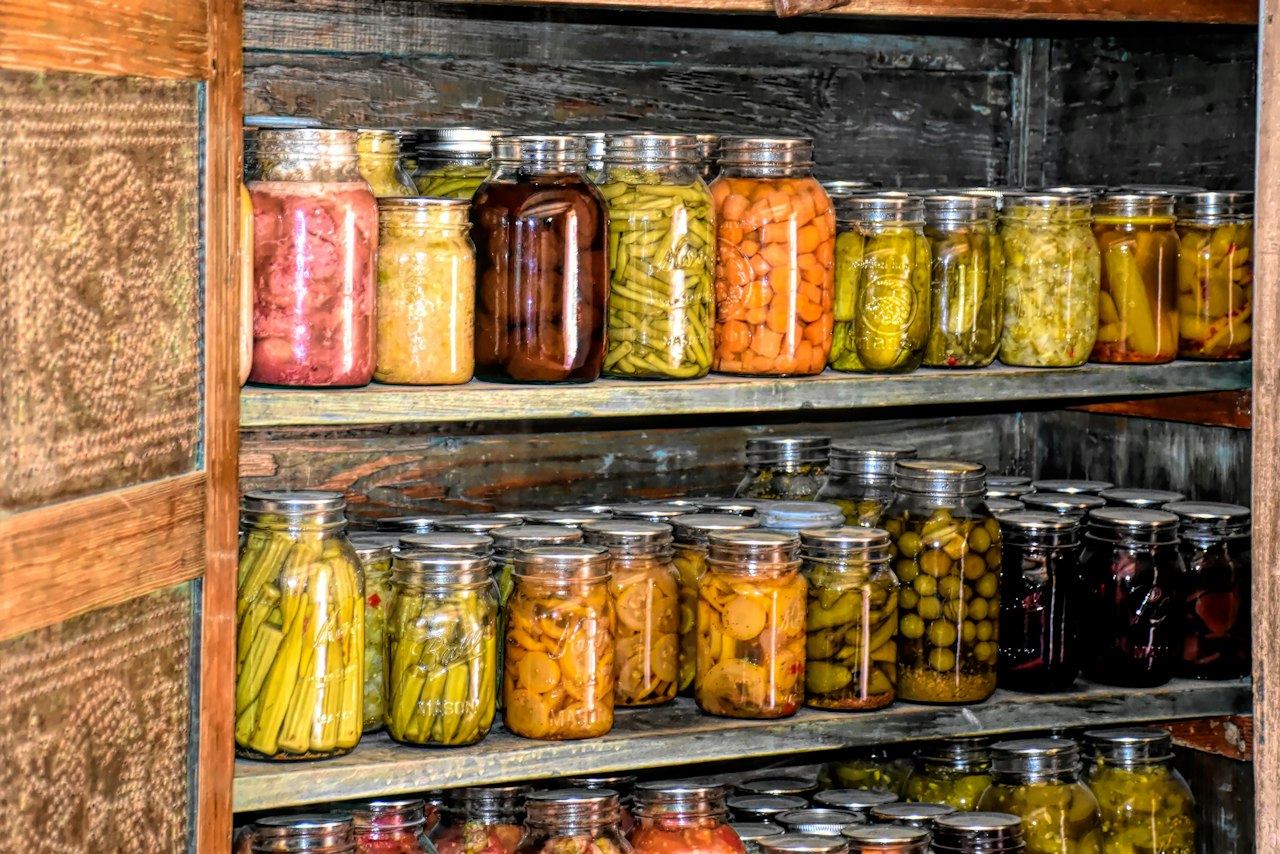 Illustrative photograph unavailable.
Choose hot honey for serving
These bottled options are for a drizzle on the food you are serving. Neither is a tested substitution in the preserving recipes linked above. Follow the bottle’s own storage directions. Do not give honey or foods containing honey to children younger than 12 months.
As an Amazon Associate I earn from qualifying purchases. The Amazon links below are paid links; purchases take place on Amazon.
- View Mike’s Hot Honey Original, one 12 oz squeeze bottle, on Amazon (paid link).
- View Savannah Bee Hot Honey, one 12 oz / 340 g squeeze bottle, on Amazon (paid link).
For a bread pairing, see the Glaze and serve section of Teddy’s hot honey bread guide.