This reviewed version was published October 16, 2026. The manuscript receipt date and any earlier publication date are unknown.
Our shop and buying guides contain paid Amazon links. As an Amazon Associate I earn from qualifying purchases.
The chili changes more than the heat in hot honey. Smoke, the form of the pepper and the amount you use can all affect the flavor you get. Start with the food you want to serve, then choose a pepper and a complete recipe that suit it.
For a bottle ready to use, compare hot honeys in our shop. Read the ingredients and storage directions, and serve a little before adding more.
What Scoville numbers can tell you
New Mexico State University's guide to measuring pepper heat explains the Scoville scale and laboratory measurement of capsaicinoids, the compounds responsible for pepper heat. A number listed for a pepper does not measure the finished honey you make with it.
The university's chile cultivar guide describes variation with genetics, growing conditions and fruit maturity. Two peppers with the same variety name can differ in heat. Use a description or range to narrow your choices, then follow the quantity and pepper form in your recipe.
One fresh pepper, a whole dried pod and a spoonful of flakes are different ingredients. Substituting by appearance or by the word "hot" on a package can change the result.
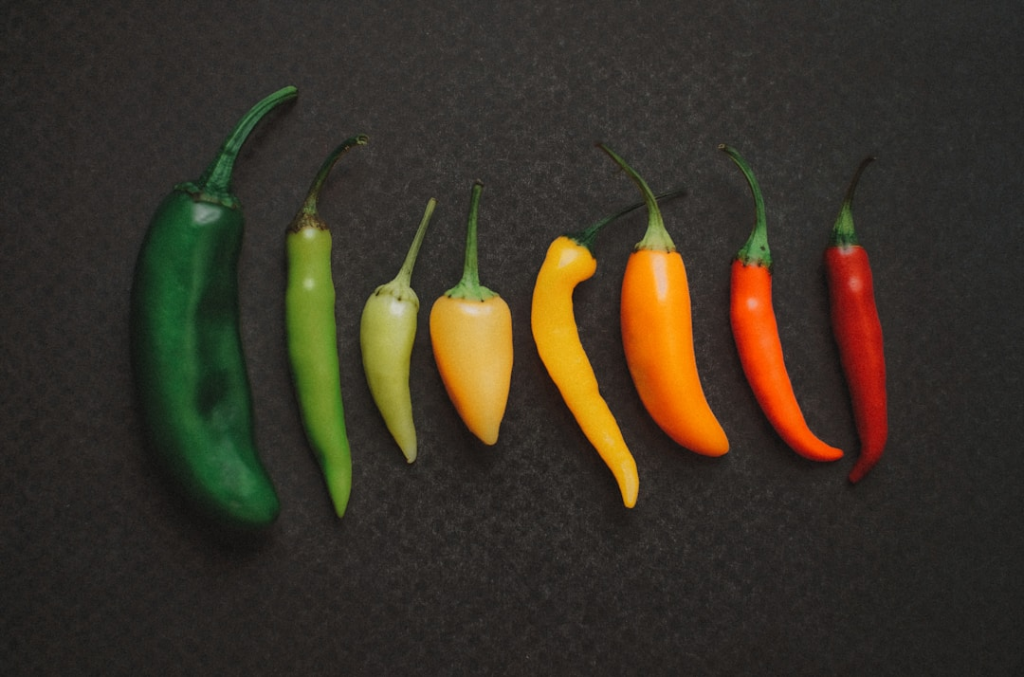
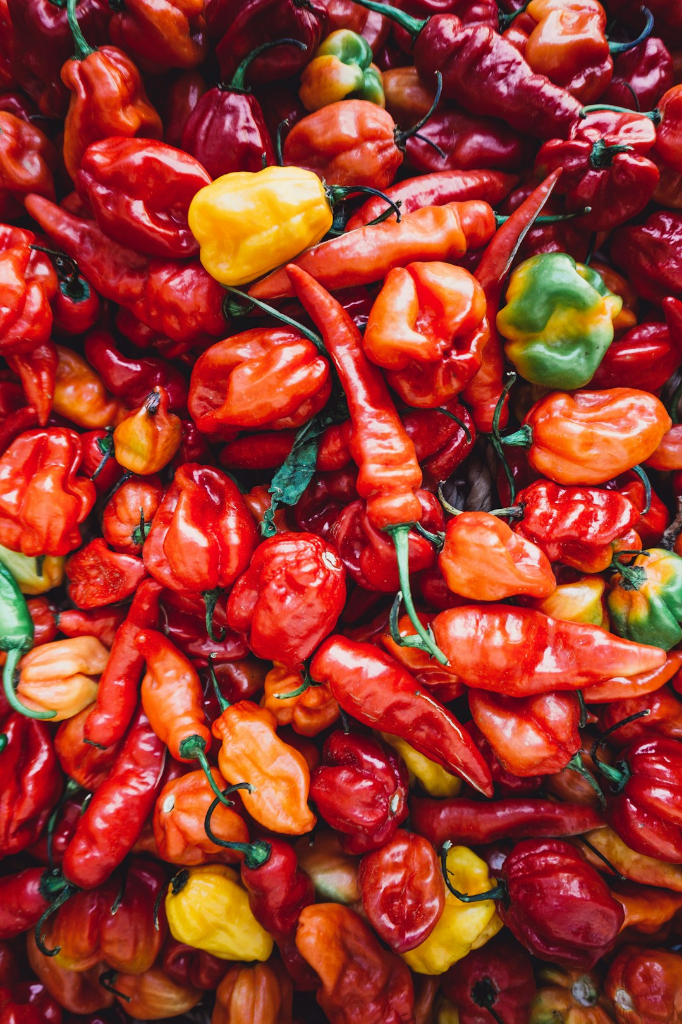
Compare the pepper and its form
Editorial photograph unavailable.
Ancho
Ancho is a dried red poblano. McCormick's culinary guide describes mild heat and sweet, raisin-like notes. That gives you a dried-fruit flavor direction to consider for cheese or a dessert.
If you are comparing dried-pepper recipes, look for one written for ancho and check whether it calls for a whole pod or powder. Use that form and quantity. A spoonful of powder is not a measured replacement for a whole pepper.
Chipotle
McCormick describes chipotle as smoke-dried jalapeños. If you want smoke alongside sweetness, try that flavor direction with barbecue or a savory dish. Check whether your recipe calls for dried chipotle, ground chipotle or a canned preparation; the names do not make them interchangeable.
Habanero
University of Florida IFAS describes habanero as fruity and citrus-like, with a floral aroma alongside its strong heat. You can consider that flavor direction for a tropical-style dish without assuming the pepper will be gentle.
Choose a recipe that specifies habanero and consider who will be eating it. Start with a small serving of the finished dish so each person can judge the heat. A variety name alone cannot tell you how strongly a particular batch will taste.
Thai and bird's-eye peppers
UMass describes Thai hot peppers as small, tapering and fruity, with substantial heat. The Spicery describes its bird's-eye chiles as tiny peppers with intense heat. Those names do not establish that every pepper sold under either label is the same cultivar.
Treat these as a specific recipe ingredient, not a generic replacement for another small pepper. In a drink, the heat will be part of every sip. Follow a measured drink recipe before experimenting with the amount of a finished commercial hot honey.
Guajillo
The Spice House describes its ground guajillo as tangy and fruity, with cranberry and tomato notes. Use that description as a tasting starting point, not a promise of the flavor in every honey mixture.
Compare recipes written for guajillo with the dish you have in mind, such as a marinade or roasted vegetables. Check how the recipe prepares the pepper. Keep its other ingredients and cooking instructions intact when assessing the finished flavor.
Red-pepper flakes and seasoning blends
Editorial photograph unavailable.
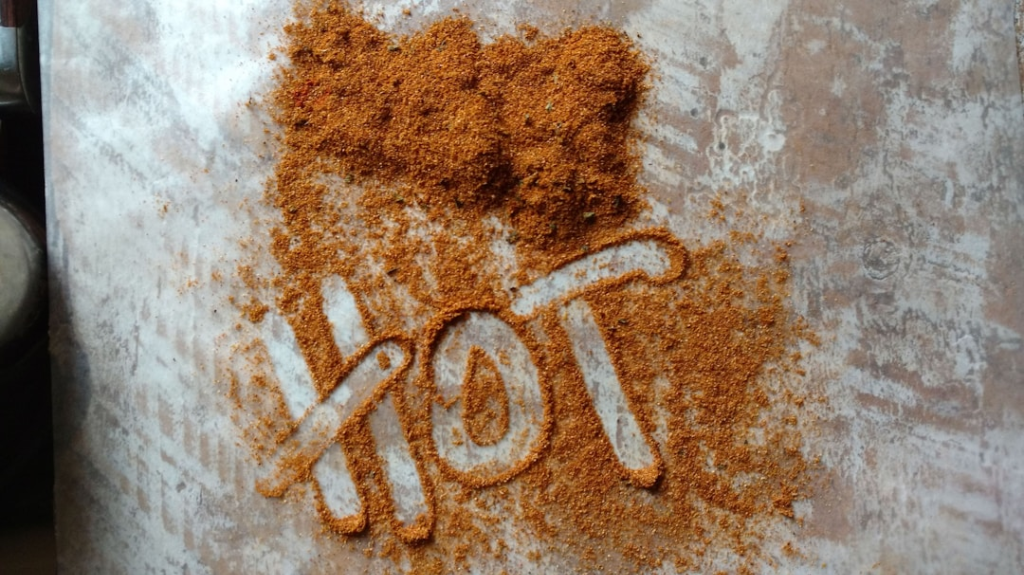
Read the package to see whether it identifies one pepper or a blend. McCormick Culinary's crushed red pepper, for example, is a blend of dried red chiles. Flakes from different producers need not give the same heat. A seasoning mix may also contain salt and other spices, so it is not a direct substitute for plain dried chili.
For the first comparison, change one flavor choice at a time within a suitable recipe. Keep a note of the pepper, its form and the amount used so you can repeat a result you like.
Match the choice to the meal
For pizza or a cheese board, serve a small portion of a labeled commercial hot honey separately so people can choose their own drizzle. Our charcuterie guide offers ideas for the rest of the board.
For a marinade, use a complete recipe and keep a clean serving portion apart from anything that touches raw meat. A smoky seasoning can help you choose a flavor direction, but it does not replace the recipe's cooking or food-safety instructions.
For cocktails, follow a measured drink recipe. Our hot-honey simple-syrup guide distinguishes syrup preparation from the drink itself. A commercial bottle's storage directions do not automatically apply after you add water or other ingredients.
Handle hot peppers carefully
Poison Control advises wearing gloves when handling hot peppers. Keep pepper residue away from your eyes and face.
NMSU explains that capsaicinoids form in the pepper's internal placental tissue. Seeds can acquire them through contact. Removing seeds alone does not reliably make a pepper mild.
Choose a complete infusion method
Editorial photograph unavailable.
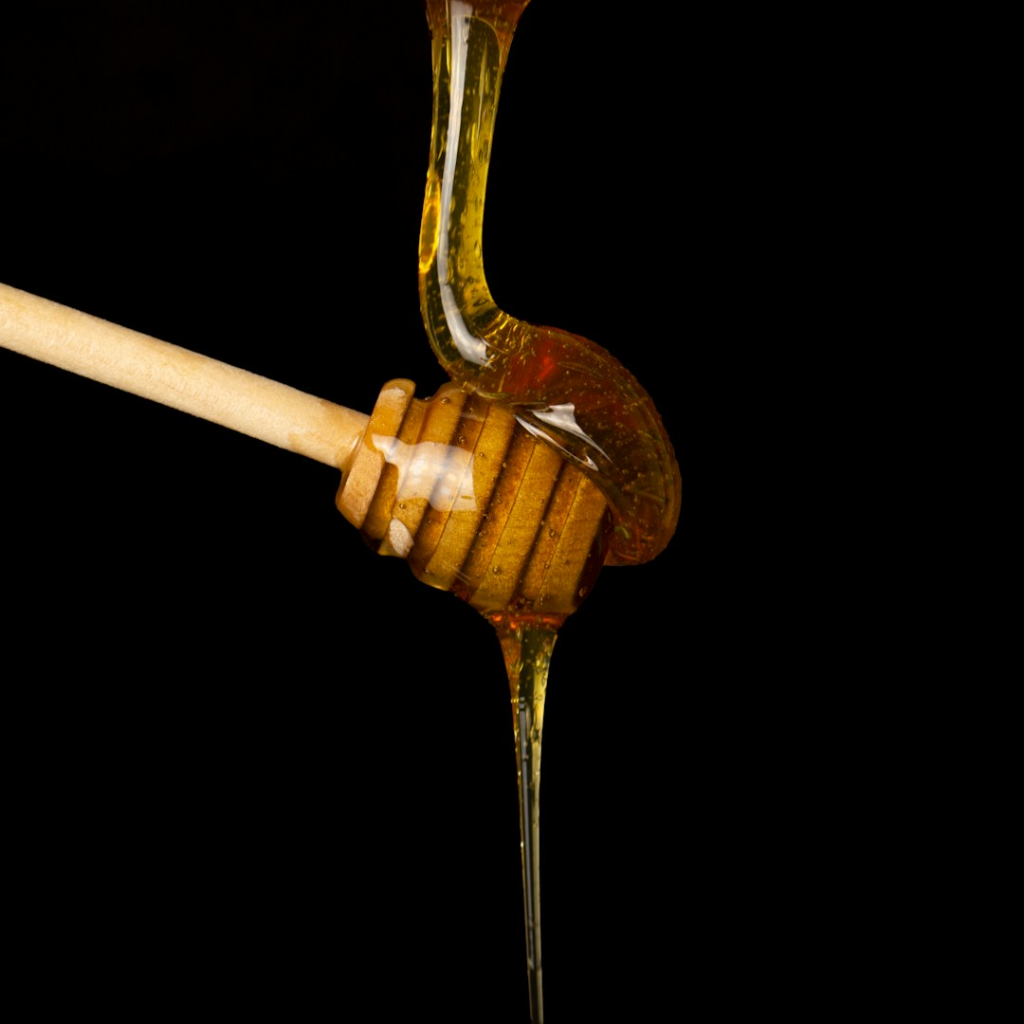
Fresh peppers add moisture to honey. Oregon State University's peer-reviewed guide to infusing honey safely explains why fresh, low-acid ingredients need a different process from fully dried additions. It supplies complete methods, including weighing ingredients, controlling the process and handling the finished infusion. Follow the full method for your actual ingredients, including its storage guidance.
A brief warm-up and a clean jar do not establish that an unspecified fresh-pepper mixture can stay in the pantry for months. Adding garlic, ginger or other fresh ingredients also changes the mixture. Our homemade hot honey guide explains its preparation basis and links to the complete OSU guidance.
To compare ready-made bottles, see the hot honey options in our shop. Choose a flavor you want to try with a meal you already enjoy, then use the bottle's own directions.